
Malaria remains a major public health concern, particularly in endemic regions. Although the disease is preventable and treatable, delayed diagnosis or inappropriate management can result in severe complications and increased mortality. Early diagnosis and timely, appropriate treatment remain essential to reducing the impact of malaria and improving patient outcomes.
Understanding Malaria and Its Potential Complications
Malaria is caused by parasites transmitted through the bite of infected mosquitoes. Early symptoms often include fever, chills, headache, fatigue, and muscle pain. Without prompt medical attention, the infection can progress to severe forms, leading to complications such as severe anemia, organ dysfunction, cerebral malaria, and increased risk in vulnerable populations including children and pregnant women.
Recognizing symptoms early and seeking medical care are critical steps in preventing disease progression.
The Importance of Early Diagnosis
Early diagnosis enables healthcare professionals to confirm malaria promptly and initiate appropriate clinical management. Timely testing and intervention help to:
-
Reduce the risk of severe complications
-
Improve treatment outcomes
-
Limit disease transmission
-
Shorten recovery time
Strengthening access to reliable diagnostic tools and encouraging early presentation at healthcare facilities are vital components of malaria control strategies.
Timely and Appropriate Treatment Under Professional Guidance
Effective malaria management relies on the use of recommended therapies administered under the supervision of qualified healthcare professionals. Appropriate treatment selection, correct dosing, and adherence to clinical guidelines are essential to ensuring successful outcomes and preventing resistance.
Responsible treatment practices support both individual patient care and broader public health efforts.
Supporting Evidence-Based Malaria Management
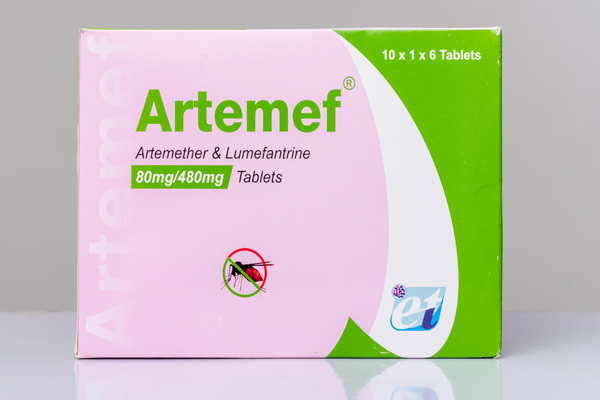
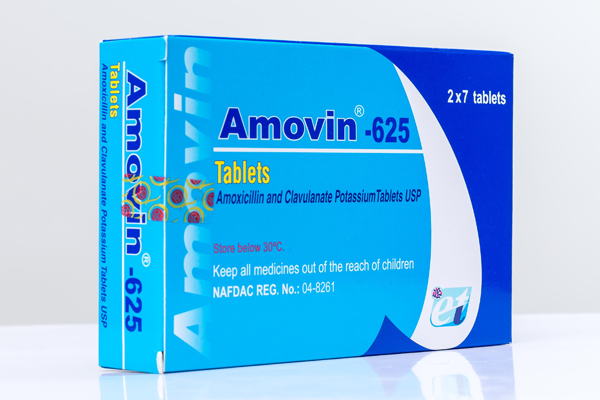
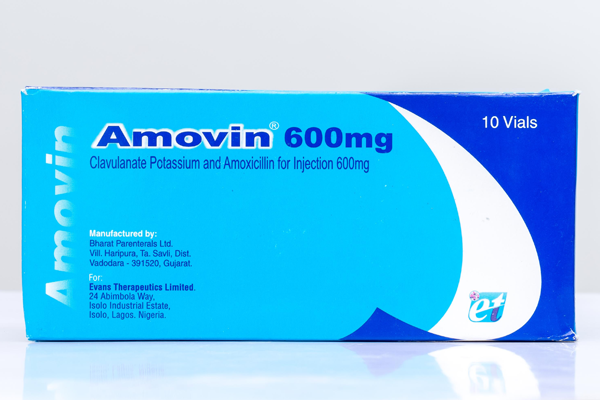
Evans Therapeutic supports malaria management through a portfolio of regulated antimalarial therapies aligned with internationally recommended treatment approaches. These products are intended strictly for use under professional medical supervision and in accordance with approved clinical guidelines. This commitment reflects Evans Therapeutic’s focus on quality, safety, and responsible pharmaceutical stewardship in the management of malaria.
Prevention and Public Health Awareness
Beyond treatment, malaria prevention remains a cornerstone of public health efforts. Measures such as mosquito control, use of protective tools, environmental management, and community education play an important role in reducing malaria incidence and preventing complications.
Conclusion
Preventing malaria complications depends on early diagnosis, timely intervention, and responsible treatment guided by healthcare professionals. Through education, ethical practices, and support for evidence-based care, Evans Therapeutic contributes to ongoing efforts to reduce the burden of malaria and promote better health outcomes.