
Chest infections, urinary tract infections, skin infections are among the most common infections
people encounter in everyday life. When an infection develops in someone who hasn’t recently
been in a hospital or care facility, it’s called a community-acquired infection (CAI). Most are
mild and resolve on their own, but some can become serious, especially if treatment is delayed.
The World Health Organization points to three pillars for tackling infections: prevention, timely
and accurate diagnosis, and appropriate, quality-assured treatment. Early treatment doesn’t
mean reaching for antibiotics at the first sign of a symptom, it means getting the right
treatment based on the actual cause.
What Causes Them, and Who’s at Risk
CAIs can be caused by bacteria, viruses, fungi, or parasites, and they spread in different ways,
including respiratory droplets, contaminated food or water, poor hand hygiene, insect bites, or
breaks in the skin. Limited access to clean water, sanitation, and healthcare can make
prevention and treatment harder in some communities.
Some people face higher risk of serious infection: infants and young children, older adults,
people with diabetes or weakened immune systems, those with chronic heart, lung, kidney, or
liver disease, and anyone who is malnourished or on immune-suppressing medication.
Recognizing the Signs
General symptoms include fever, fatigue, weakness, headache, loss of appetite, and swollen
lymph nodes. Beyond these general signs, symptoms often point to the site of infection:
Respiratory: cough, sore throat, congestion, breathing difficulty, chest discomfort. A
cold is usually viral and won’t respond to antibiotics — but some respiratory infections
can progress to bacterial pneumonia.
Urinary tract: burning during urination, frequent or urgent urination, lower abdominal
discomfort. Fever, back pain, or vomiting can signal the infection has spread beyond the
bladder.
Skin: redness, warmth, swelling, pain, or discharge. Rapid spread or accompanying
illness needs urgent assessment.
Why Timing Matters
The immune system works continuously to fight off harmful microorganisms, but in vulnerable
individuals, infections can progress quickly occasionally spreading into the bloodstream and
triggering sepsis, a life-threatening condition. Early identification gives healthcare professionals
the chance to determine the cause, gauge severity, and intervene before the condition
escalates.
Antibiotics Aren’t Always the Answer
Antibiotics only work against bacteria; they do nothing for viral infections like colds or flu.
Taking them unnecessarily exposes patients to side effects for no benefit, and it fuels
antimicrobial resistance (AMR), where microorganisms evolve to survive medicines that once
killed them. That’s why antibiotics should only be used when a healthcare professional
determines they’re clinically indicated.
Diagnosis and Treatment
Diagnosis typically starts with a medical history and physical exam, followed by targeted tests
— blood work, urine tests, cultures, swabs, or imaging — depending on what’s suspected.
Treatment then follows the cause: some viral infections require only rest, fluids, and symptom
relief; bacterial infections may call for a specific antibiotic chosen based on the organism,
infection site, patient factors, and local resistance patterns. Other infections may need antiviral,
antifungal, or antiparasitic medication, or procedures like abscess drainage.
When to Seek Urgent Care
Get medical attention right away for: difficulty breathing, confusion or unusual drowsiness,
severe weakness, persistent high fever, severe pain, fainting, rapid deterioration, persistent
vomiting, dehydration, bluish or pale skin, reduced urine output, or severe chest pain. Babies,
older adults, and people with underlying conditions can deteriorate faster and may need earlier
evaluation.
Prevention Basics
Wash hands regularly, especially before eating and after coughing or sneezing
Stay up to date on vaccinations
Handle food safely and use clean water
Clean and cover wounds promptly
Avoid taking antibiotics “just in case”
Practice good respiratory hygiene (cover coughs, dispose of tissues, wash hands)
Where Evans Therapeutics Fits In
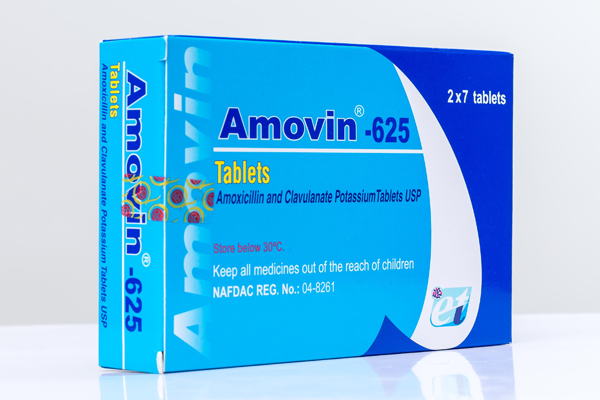
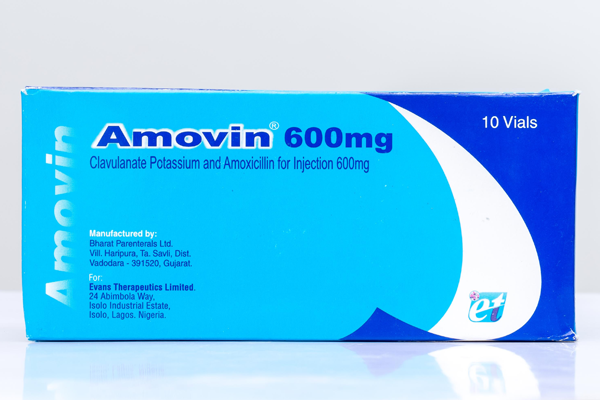
Once a qualified healthcare professional has diagnosed a bacterial infection, access to quality-
assured antibiotic treatment matters. Evans Therapeutics Limited manufactures a broad
portfolio of antibiotics spanning several classes, developed to support pharmacists and
physicians in treating diagnosed bacterial infections appropriately. Healthcare professionals
seeking product information can find our full portfolio on the Evans Therapeutics products
page: https://evanstherapeutics.com/products-list/. As always, the choice of antibiotic, dose,
and duration should be guided by a qualified healthcare professional based on the diagnosis —
never chosen by the patient.
The Bottom Line
Community-acquired infections are common, but they deserve attention, not casual dismissal.
Early recognition, a proper diagnosis, and treatment matched to the actual cause are what
prevent complications — not simply medicating early. If symptoms are severe, persistent, or
worsening, speak with a qualified healthcare professional promptly.
This article is for general health education and does not replace professional medical advice,
diagnosis, or treatment. Antibiotics and other medicines should only be used under the direction
of a qualified healthcare professional.