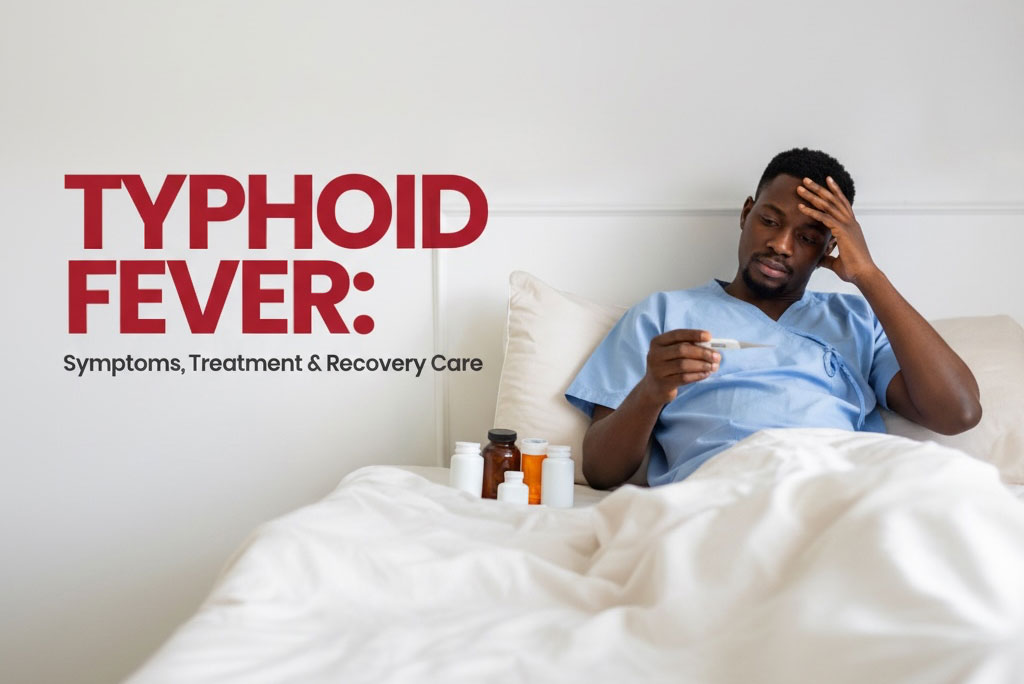
The rainy season brings cooler weather and relief from the heat, but it also increases the risk of waterborne diseases such as typhoid fever. Flooding, poor sanitation, and contaminated food or drinking water can allow the bacteria that cause typhoid to spread more easily, putting entire families at risk.
Fortunately, typhoid fever is largely preventable. By adopting good hygiene practices and seeking prompt medical care when symptoms appear, families can significantly reduce their risk of infection.
Typhoid fever is a bacterial infection caused by Salmonella Typhi. It spreads through food or water contaminated with the faeces of an infected person. In areas where access to clean water and proper sanitation is limited, outbreaks are more common, especially during the rainy season.
Without prompt treatment, typhoid fever can lead to serious complications affecting the intestines and other organs.
Common Symptoms
Symptoms usually develop gradually and may include:
-
Persistent high fever
-
Headache
-
Weakness and fatigue
-
Stomach pain
-
Loss of appetite
-
Diarrhoea or constipation
-
Nausea or vomiting
Some people may also develop a rash of small, rose-coloured spots on the chest or abdomen. Because these symptoms can resemble malaria and other infections, laboratory testing is important for an accurate diagnosis.
How to Protect Your Family
Simple preventive measures can greatly reduce the risk of typhoid fever.
Drink Safe Water
Always drink clean, treated, or boiled water. If the safety of the water is uncertain, boil it before use or use an approved water purification method.
Wash Hands Regularly
Wash your hands thoroughly with soap and clean water before preparing food, before eating, and after using the toilet.
Practise Safe Food Hygiene
Eat freshly cooked meals whenever possible. Wash fruits and vegetables thoroughly, and avoid food from vendors where hygiene standards are uncertain.
Improve Household Sanitation
Dispose of waste properly and keep toilets clean to reduce contamination of water sources.
Protect Food from Flies
Keep food covered, as flies can carry bacteria from contaminated surfaces to food.
Consider Vaccination
Typhoid vaccines are available for people travelling to high-risk areas or those at increased risk of exposure. Speak with your healthcare provider to determine if vaccination is appropriate.
Diagnosis and Treatment
If typhoid fever is suspected, a healthcare professional may recommend laboratory tests, such as blood or stool cultures, to confirm the diagnosis.
Treatment usually includes:
-
Appropriate antibiotics prescribed by a healthcare professional
-
Adequate hydration
-
Rest
-
Good nutrition
It is important to complete the full course of prescribed antibiotics, even if symptoms improve. Self-medicating or stopping treatment early can lead to treatment failure and contribute to antibiotic resistance.
Evans Pharmaceuticals’ Commitment to Better Family Health
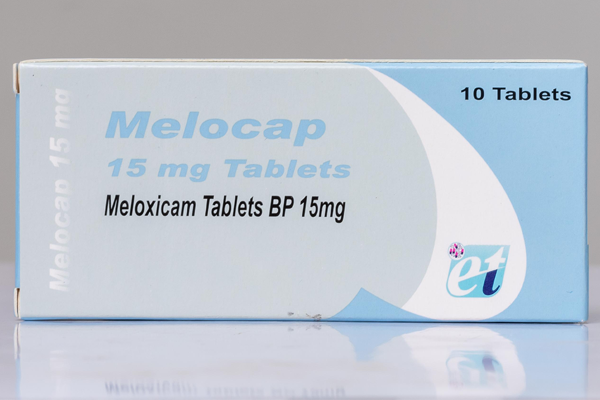
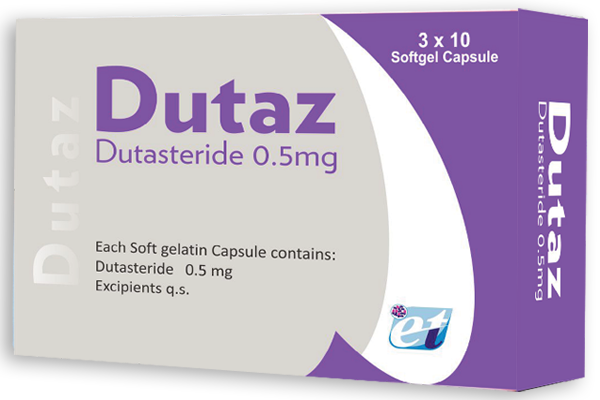
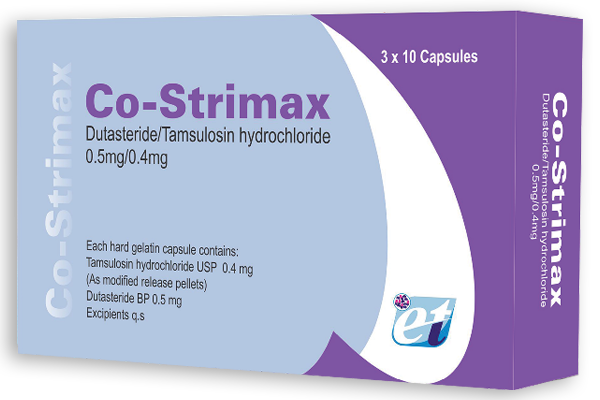
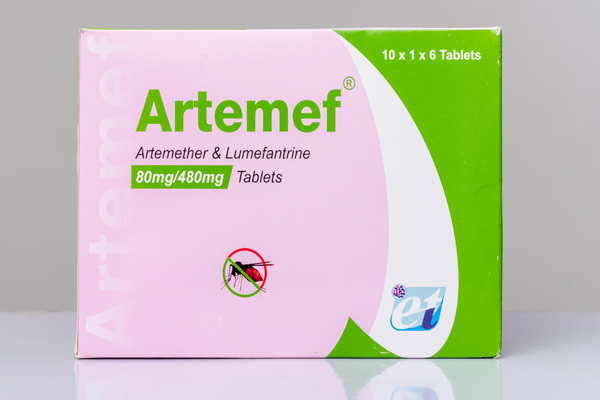
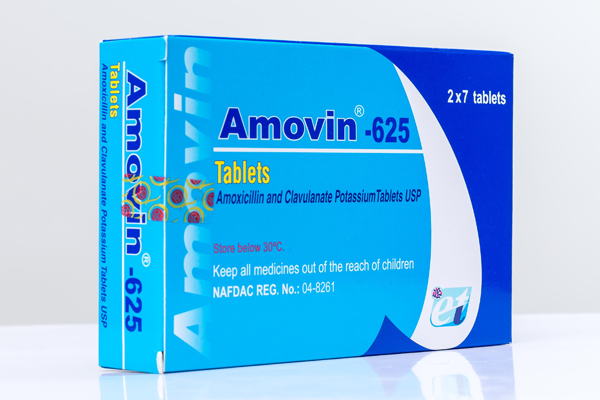
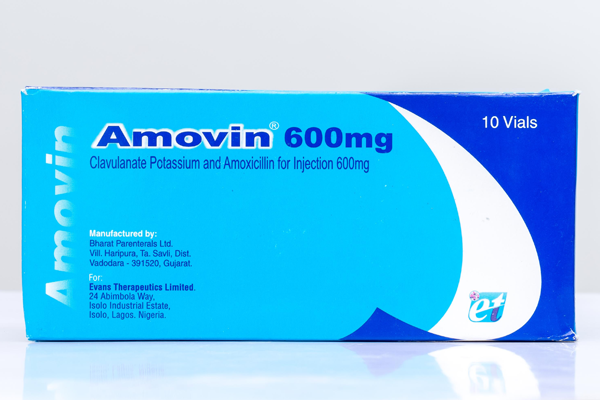
Preventing typhoid fever starts with good hygiene, safe food and water practices, and early medical attention. Evans Pharmaceuticals supports healthcare professionals by providing quality pharmaceutical products used in the treatment of bacterial infections when clinically indicated, while promoting the responsible use of antibiotics.
Conclusion
Typhoid fever remains a significant public health concern during the rainy season, but simple preventive measures can make a big difference. Safe drinking water, proper sanitation, good hand hygiene, and prompt medical care are the best ways to protect your family.
If you or a family member develops a persistent fever or other symptoms suggestive of typhoid fever, seek medical attention promptly for accurate diagnosis and appropriate treatment.
Disclaimer: This article is for educational purposes only and should not replace professional medical advice. Antibiotics should only be used under the supervision of a qualified healthcare professional.