
In today’s healthcare landscape, immune resilience remains a top priority for both patients and practitioners. While a balanced diet is the cornerstone of good health, nutritional gaps are increasingly common due to lifestyle, environmental stressors, and dietary limitations.
Multivitamins have emerged as a practical and effective solution to help bridge these gaps, especially when formulated with immune support in mind.
For healthcare providers, understanding how to select and recommend the best multivitamins for immunity is essential. This guide explores the role of key micronutrients, how they support immune function, and what to look for when choosing high quality multivitamin formulations.
Why Multivitamins Matter for Immune Health
The immune system relies on a complex network of cells, tissues, and biochemical processes, all of which require adequate levels of vitamins and minerals to function optimally. Even marginal deficiencies can impair immune response, making individuals more susceptible to infections and slower recovery times.
Multivitamins provide a convenient and consistent way to ensure patients receive baseline nutritional support, particularly when dietary intake is insufficient or inconsistent. For clinicians, they offer a reliable adjunct to dietary counseling.
Key Nutrients That Support Immunity
Not all multivitamins are created equal. The most effective formulations for immune support include targeted levels of the following nutrients:
1. Vitamin C
A powerful antioxidant, Vitamin C supports the production and function of white blood cells. It also enhances skin barrier function and helps reduce oxidative stress during infections.
2. Vitamin D
Widely recognized for its immunomodulatory effects, Vitamin D plays a critical role in both innate and adaptive immunity. Deficiency has been associated with increased susceptibility to respiratory infections.
3. Zinc
Zinc is essential for immune cell development and communication. It also has direct antiviral properties and supports wound healing.
4. Vitamin A
This fat-soluble vitamin is crucial for maintaining the integrity of mucosal surfaces, such as the respiratory and gastrointestinal tracts, key entry points for pathogens.
5. Vitamin E
As an antioxidant, Vitamin E helps combat oxidative damage and supports T-cell function, particularly in aging populations.
6. B-Complex Vitamins
Vitamins such as B6, B9 (folate), and B12 contribute to immune cell production and regulation. They also play a role in reducing inflammation and supporting energy metabolism.
Bridging Nutritional Gaps in Clinical Practice
Despite best efforts, many patients fall short of meeting their daily micronutrient needs. Common contributing factors include:
- Poor dietary diversity
- Chronic stress
- Gastrointestinal disorders affecting absorption
- Aging-related changes in metabolism
- Increased physiological demands (e.g., illness, pregnancy)
Multivitamins help address these gaps by delivering essential nutrients in clinically relevant doses. For physicians, recommending a well formulated multivitamin can improve patient outcomes, especially when tailored to individual needs.
What Defines the Best Multivitamins for Immunity?
When evaluating multivitamin products for immune support, clinicians should consider the following criteria:
1. Bioavailability
Look for formulations that use highly absorbable forms of nutrients (e.g., methylated B vitamins, chelated minerals).
2. Evidence-Based Dosages
Avoid products that provide either sub-therapeutic or excessively high doses. The goal is to meet, not vastly exceed, recommended daily allowances unless clinically indicated.
3. Comprehensive Formulation
The best multivitamins for immunity include a balanced spectrum of vitamins and minerals, rather than focusing on a single nutrient.
4. Quality and Purity
Choose products that are third party tested for contaminants, potency, and consistency. Transparency in sourcing and manufacturing is key.
5. Targeted Support
Some formulations are designed for specific populations (e.g., elderly patients, individuals with chronic illness). These may offer enhanced benefits when matched appropriately.
Clinical Considerations for Supplement Recommendations
While multivitamins are generally safe, they should not be prescribed indiscriminately. Consider the following when recommending supplements:
- Assess dietary intake and identify potential deficiencies
- Review patient history for contraindications or interactions
- Monitor for signs of over-supplementation, particularly with fat-soluble vitamins
- Encourage patients to view supplements as complementary not a replacement for a healthy diet
Conclusion
Multivitamins play a valuable role in supporting immune health by addressing nutritional gaps that can compromise the body’s natural defenses. For healthcare providers, selecting the best multivitamins for immunity involves more than choosing a popular brand, it requires an understanding of nutrient synergy, patient needs, and product quality.
By integrating evidence-based multivitamin recommendations into clinical practice, practitioners can offer patients a practical and effective strategy to enhance immune resilience and overall well-being.
About Evans Therapeutics
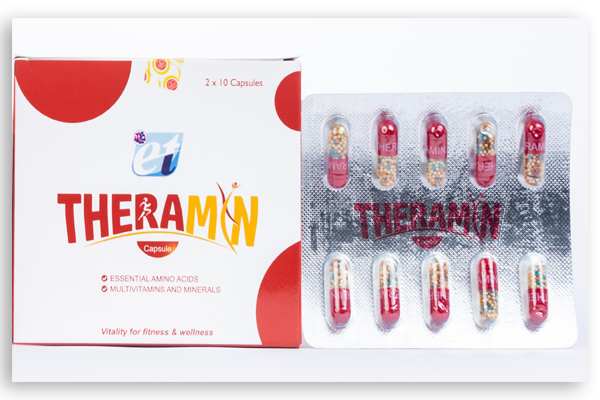
At Evans Therapeutics, we are committed to advancing healthcare through science backed solutions. Our approach to nutritional supplementation emphasizes quality, efficacy, and clinical relevance, empowering healthcare professionals to make informed decisions that support patient health at every stage.