
A blocked nose, facial pain, headache, and thick nasal discharge are symptoms many people dismiss as “just a cold.” However, when these symptoms persist or worsen, they may indicate a sinus infection, also known as sinusitis.
Sinus infections are among the most common reasons people visit healthcare providers worldwide. They affect people of all ages and can significantly interfere with sleep, work, school, and overall quality of life. Although many sinus infections improve without antibiotics, others require proper medical evaluation and treatment to prevent complications.
Understanding what causes sinus infections, recognizing the warning signs, and knowing the available treatment options can help you recover faster and avoid unnecessary medication use.
Understanding Sinus Infections
The sinuses are air-filled spaces located behind the forehead, cheeks, eyes, and nose. Under normal conditions, they produce mucus that traps dust, bacteria, allergens, and other particles. Tiny hair-like structures called cilia help move the mucus out of the sinuses and into the nose.
A sinus infection develops when the lining of the sinuses becomes inflamed and swollen, preventing normal drainage. As mucus accumulates, germs can multiply inside the blocked sinuses, causing infection.
Healthcare professionals generally classify sinus infections into four categories:
- Acute sinusitis: Symptoms last less than four weeks.
- Subacute sinusitis: Symptoms last four to twelve weeks.
- Chronic sinusitis: Symptoms continue for more than twelve weeks despite treatment.
- Recurrent sinusitis: Several separate episodes occur within one year.
Not every blocked nose is caused by a bacterial infection. In fact, most acute sinus infections begin after a viral upper respiratory infection, such as the common cold.
Causes and Risk Factors
Several factors can increase the likelihood of developing a sinus infection.
Viral Infections
The common cold remains the leading cause of acute sinusitis. Viral infections cause inflammation that blocks the sinus openings.
Bacterial Infections
When symptoms persist beyond ten days without improvement, worsen after initially improving, or become severe with high fever and facial pain, bacteria may be responsible.
Allergies
Hay fever and allergic rhinitis can cause ongoing nasal inflammation that blocks sinus drainage.
Nasal Polyps
These soft, non-cancerous growths inside the nose can obstruct airflow and mucus drainage.
Deviated Nasal Septum
A crooked nasal septum may narrow the nasal passages, increasing the risk of recurrent infections.
Environmental Irritants
Exposure to cigarette smoke, air pollution, dust, and chemical fumes may irritate the nasal passages.
Weakened Immune System
Individuals with diabetes, HIV, certain cancers, or those receiving immunosuppressive medications may be more susceptible.
Dental Infections
Occasionally, infections affecting the upper teeth can spread into nearby sinuses.
Other Risk Factors
Your risk may also increase if you:
- Have asthma
- Frequently swim or dive
- Experience frequent respiratory infections
- Live in polluted environments
- Have seasonal allergies
- Smoke or are exposed to second-hand smoke
Signs and Symptoms
Symptoms vary depending on the cause and severity but commonly include:
- Nasal congestion
- Thick yellow or green nasal discharge
- Facial pain or pressure
- Headache
- Pain around the eyes, cheeks, forehead, or nose
- Reduced sense of smell or taste
- Tooth pain, especially upper teeth
- Ear pressure
- Bad breath
- Persistent cough, especially at night
- Sore throat from postnasal drip
- Fatigue
- Fever (more common with bacterial infections)
Children may also experience irritability, poor feeding, difficulty breathing through the nose, and prolonged coughing.
When Should You See a Healthcare Professional?
Many viral sinus infections improve within 7–10 days with supportive care. However, medical attention is recommended if:
- Symptoms persist for more than 10 days without improvement.
- Symptoms worsen after initially getting better.
- You develop a high fever (above 39°C).
- Facial pain becomes severe.
- Vision changes occur.
- Swelling develops around the eyes.
- Severe headache or confusion develops.
- Symptoms continue for several weeks despite treatment.
Prompt medical evaluation helps determine whether antibiotics or other treatments are necessary.
Diagnosis
Healthcare providers usually diagnose sinus infections based on:
Medical History
They will ask about:
- Duration of symptoms
- Previous sinus infections
- Allergies
- Recent colds
- Medical conditions
Physical Examination
Your healthcare provider may examine:
- The nose
- Throat
- Ears
- Face for tenderness
- Eyes for swelling
Additional Tests
Persistent or recurrent infections may require:
- Nasal endoscopy
- CT scan of the sinuses
- Allergy testing
- Nasal swab in selected cases
Imaging tests are generally unnecessary for uncomplicated acute sinus infections.
Treatment Options
Treatment depends on whether the infection is viral, bacterial, allergic, or chronic.
Home Care Measures
For many viral infections, supportive care is sufficient:
- Drink plenty of fluids.
- Rest adequately.
- Inhale steam carefully.
- Use saline nasal sprays or irrigation.
- Sleep with your head elevated.
- Use a humidifier if indoor air is dry.
Medications
Healthcare professionals may recommend:
Pain Relievers
Over-the-counter pain medications can help reduce headache, facial pain, and fever when used as directed.
Nasal Saline Solutions
These help loosen mucus and improve drainage.
Nasal Corticosteroid Sprays
Useful for reducing inflammation, particularly when allergies contribute to symptoms.
Decongestants
Short-term use may relieve nasal blockage but should not be used longer than recommended, especially nasal decongestant sprays, which may cause rebound congestion.
Antibiotics
Antibiotics are not recommended for most viral sinus infections.
Healthcare providers may prescribe antibiotics only when bacterial sinusitis is strongly suspected based on symptom duration, severity, or worsening after initial improvement.
Taking antibiotics unnecessarily contributes to antibiotic resistance and may cause unwanted side effects.
Managing Chronic Sinusitis
People with chronic sinusitis may require a combination of treatments, including:
- Long-term nasal steroid sprays
- Allergy management
- Saline irrigation
- Treatment of underlying conditions
- Referral to an ear, nose, and throat (ENT) specialist
In selected cases, surgery may be recommended to improve sinus drainage.
Prevention Tips
Although not every sinus infection can be prevented, these habits reduce your risk:
- Wash your hands regularly.
- Avoid close contact with people who have respiratory infections.
- Treat allergies effectively.
- Stay hydrated.
- Avoid cigarette smoke.
- Use a humidifier if the air is dry.
- Receive recommended vaccinations.
- Manage asthma appropriately.
- Practice good oral hygiene to reduce dental infections.
Maintaining a healthy lifestyle, including regular exercise, balanced nutrition, and adequate sleep, also supports immune function.
Frequently Asked Questions
Are sinus infections contagious?
The sinus infection itself usually is not contagious. However, the viruses that often cause it can spread from person to person.
Do all sinus infections require antibiotics?
No. Most acute sinus infections are caused by viruses and improve without antibiotics.
Can allergies cause sinus infections?
Yes. Allergies can inflame the nasal passages, making sinus drainage difficult and increasing infection risk.
How long does a sinus infection last?
Most viral infections improve within 7–10 days. Bacterial infections may last longer and sometimes require antibiotics.
Can I prevent recurrent sinus infections?
Managing allergies, avoiding smoking, practicing good hygiene, and treating underlying nasal conditions can significantly reduce recurrence.
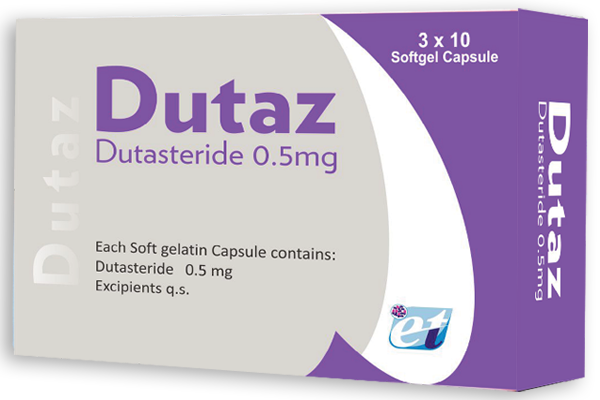
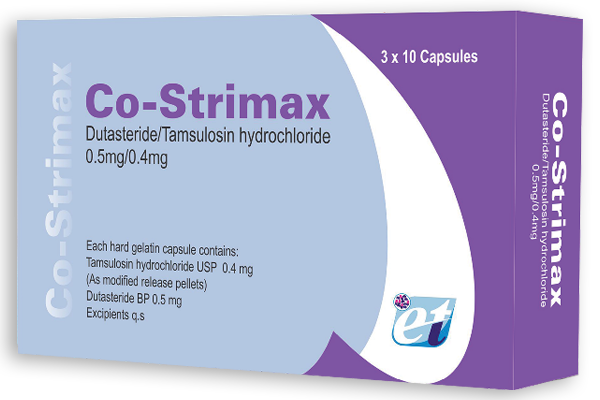
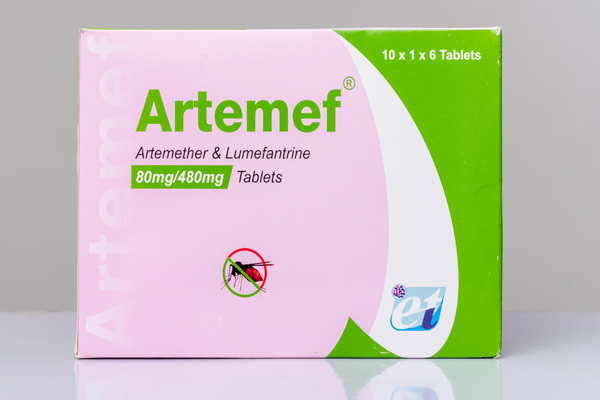
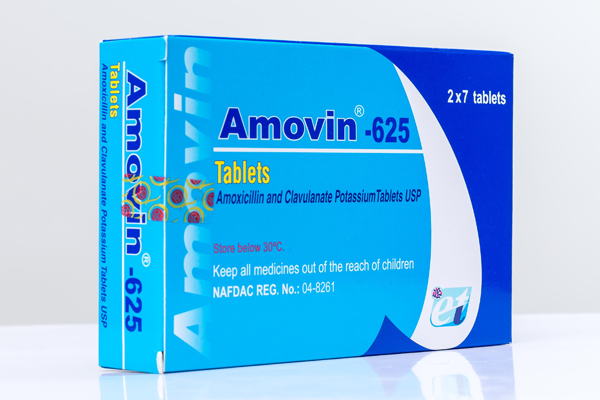
Evans Pharmaceuticals’ Relevant Products
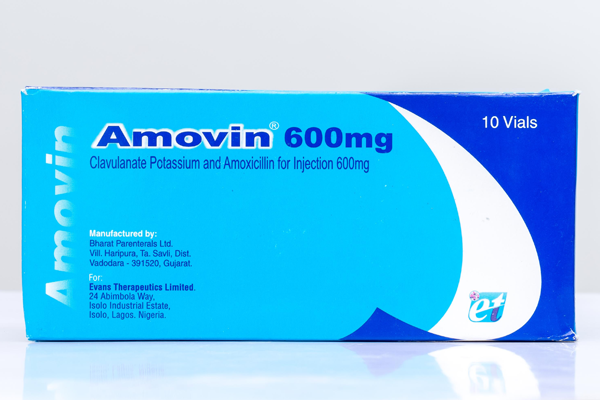
Managing sinus infections often involves relieving symptoms while treating the underlying cause. Depending on the healthcare professional’s assessment, appropriate medications may include pain relievers, antihistamines, nasal preparations, or prescribed antibiotics where bacterial infection is confirmed.
Evans Pharmaceuticals Ltd offers a range of quality pharmaceutical products that may support the management of respiratory and upper airway conditions when prescribed or recommended by qualified healthcare professionals. Patients should always follow the advice of their doctor or pharmacist regarding the most appropriate treatment for their specific condition.
Conclusion
Sinus infections are common and, in many cases, resolve with supportive care. However, persistent, severe, or recurrent symptoms should never be ignored. Early diagnosis and appropriate treatment can relieve discomfort, shorten recovery time, and reduce the risk of complications.
Maintaining good hygiene, managing allergies, avoiding smoking, and seeking medical advice when symptoms persist are among the best ways to protect your sinus health.
Rather than self-medicating, consult a qualified healthcare professional for an accurate diagnosis and personalized treatment plan.
Disclaimer: This article is intended for educational purposes only and should not replace professional medical advice. Medicines should only be taken under the guidance of a qualified healthcare professional.