
A persistent cough may signal more than a common cold. Learn the warning signs, possible causes, and when to seek medical care for timely diagnosis and treatment.
Most people have experienced a cough that lingers for a few days after catching a cold. In many cases, this is a normal part of the body’s healing process. However, when a cough refuses to go away or becomes accompanied by other concerning symptoms, it may be a sign of an underlying medical condition that requires prompt attention.
Understanding when a persistent cough is more than “just a cold” can help prevent complications and ensure that serious illnesses are diagnosed and treated early.
What Is a Persistent Cough?
A cough is one of the body’s natural defence mechanisms. It helps clear mucus, germs, and other irritants from the airways, protecting the lungs from infection and inflammation. While most coughs caused by viral infections improve within one to three weeks, a cough that lasts longer deserves closer attention. Healthcare providers generally classify coughs as:
- Acute cough: Lasts less than three weeks.
- Subacute cough: Persists for three to eight weeks, often following a respiratory infection.
- Chronic cough: Lasts more than eight weeks in adults or more than four weeks in children. (bannerhealth.com)
Although many persistent coughs are not caused by serious disease, they should never be ignored because identifying the underlying cause is essential for effective treatment.
Common Causes of a Persistent Cough
A cough can have many causes, and not all of them are infections.
Respiratory Infections
Some bacterial respiratory infections, such as pneumonia or bacterial bronchitis, can cause prolonged coughing, especially when treatment is delayed. Even after certain viral infections, a cough may linger for several weeks while the airways recover. (bannerhealth.com)
Asthma
Asthma sometimes presents mainly as a chronic cough, particularly at night or during exercise. This form, known as cough-variant asthma, may occur without the typical wheezing that many people associate with the condition.
Allergies and Postnasal Drip
Seasonal allergies, sinus infections, or chronic nasal congestion can cause mucus to drip down the back of the throat, triggering persistent coughing.
Gastroesophageal Reflux Disease (GERD)
Acid reflux does not always cause heartburn. In some people, stomach acid irritates the throat and airways, leading to a chronic cough.
Smoking and Environmental Irritants
Cigarette smoke, air pollution, chemical fumes, and occupational dust can continually irritate the respiratory tract, resulting in long-term coughing.
Certain Medications
Some medicines used to treat high blood pressure, particularly ACE inhibitors, may cause a persistent dry cough in susceptible individuals. (Temple Health)
Warning Signs You Should Never Ignore
While many coughs resolve on their own, some symptoms indicate the need for immediate medical evaluation.
Seek medical attention promptly if your cough is accompanied by:
- High fever that persists or returns
- Difficulty breathing or shortness of breath
- Chest pain
- Coughing up blood
- Thick green, yellow, or foul-smelling mucus that continues to worsen
- Unexplained weight loss
- Night sweats
- Persistent wheezing
- Hoarseness lasting several weeks
- A cough lasting more than three weeks without improvement
These symptoms may indicate pneumonia, tuberculosis, chronic lung disease, or other conditions that require professional assessment and treatment. (Harvard Health)
Why Early Diagnosis Matters
Ignoring a persistent cough may allow an underlying illness to progress, increasing the risk of complications. Early diagnosis enables healthcare professionals to determine whether the cause is bacterial, viral, allergic, inflammatory, or related to another medical condition.
Your healthcare provider may recommend:
- A physical examination
- Chest X-ray or other imaging studies
- Laboratory tests
- Sputum analysis
- Lung function tests
- Allergy evaluation, depending on your symptoms
Accurate diagnosis ensures that treatment targets the actual cause rather than simply suppressing the cough.
Treatment Depends on the Cause
Because coughing is a symptom rather than a disease, treatment varies according to the underlying diagnosis.
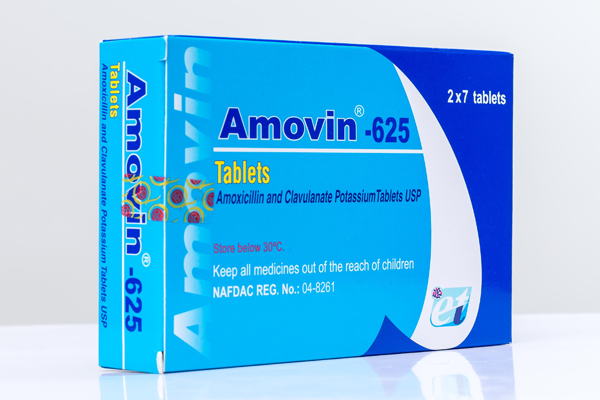
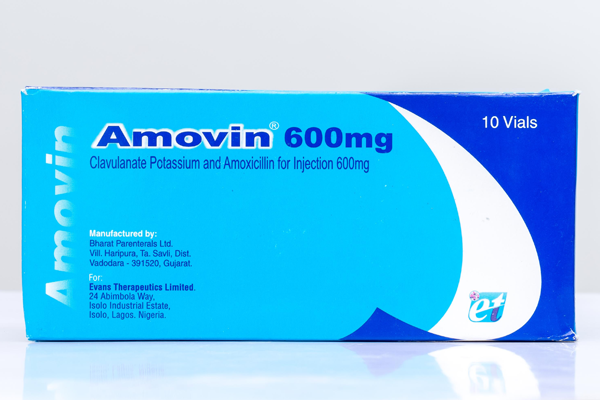
For bacterial respiratory infections, healthcare professionals may prescribe appropriate antibiotics when clinically indicated. Evans Therapeutics offers a range of quality anti-infective medicines, including Amovin® (Amoxycillin-Clavulanate), Cefunat® (Cefuroxime Axetil), Cefujet® (Cefuroxime Sodium Injection), Rapidflox® (Ciprofloxacin), Levoxin® (Levofloxacin), Azithromycin Tablets, and other antibacterial medicines that healthcare providers may consider when treating susceptible bacterial infections. Antibiotics should only be used under medical supervision and are not effective against viral illnesses such as the common cold or influenza. (evanstherapeutics.com)
If asthma, allergies, acid reflux, or another non-bacterial condition is responsible, entirely different treatments may be required. This is why self-medication, particularly with antibiotics, is discouraged.
Can You Prevent a Persistent Cough?
Although not every cough can be prevented, adopting healthy habits can reduce your risk of respiratory illness.
You can help protect yourself by:
- Washing your hands regularly.
- Avoiding close contact with people who are sick.
- Staying up to date with recommended vaccinations.
- Avoiding smoking and exposure to second-hand smoke.
- Drinking adequate fluids to keep mucus thin.
- Managing allergies and chronic health conditions appropriately.
- Seeking medical attention early when respiratory symptoms worsen.
When Should You See Your Doctor?
Arrange a medical evaluation if:
- Your cough lasts longer than three weeks.
- Symptoms worsen instead of improving.
- You experience repeated episodes of persistent coughing.
- You develop any warning signs such as breathlessness, chest pain, or coughing up blood.
- You have underlying conditions such as asthma, diabetes, heart disease, or a weakened immune system.
Early intervention often leads to faster recovery and helps prevent serious complications.
Conclusion
A cough is often harmless, but when it persists beyond the expected recovery period, it may be your body’s way of signalling that something more serious is happening. Rather than relying on home remedies alone or taking antibiotics without medical advice, seek professional evaluation if your cough does not improve or is accompanied by concerning symptoms.
At Evans Therapeutics Limited, we remain committed to improving health by providing quality, affordable medicines that support healthcare professionals in the management of bacterial infections and other medical conditions. Remember, the right treatment begins with the right diagnosis.
If you have a persistent cough or any worrying respiratory symptoms, consult your doctor or pharmacist for appropriate evaluation and treatment. Early action could make all the difference.