
Pain is the body’s natural warning system, alerting us to injury or illness. Most people are familiar with pain caused by cuts, burns, arthritis, or muscle strains. However, not all pain is the same. Some types of pain result from damage or disease affecting the nervous system itself. This is known as neuropathic pain, or nerve pain.
Neuropathic pain affects millions of people worldwide and can significantly reduce quality of life. Unlike ordinary pain, it often persists long after an injury has healed or occurs without any obvious physical damage. Many people describe it as burning, stabbing, electric shock-like, or tingling, making everyday activities difficult.
Because neuropathic pain has different underlying causes from other forms of pain, it often requires specialized diagnosis and treatment. Conventional painkillers alone may not provide adequate relief.
Understanding neuropathic pain, recognizing its symptoms early, and seeking appropriate medical care can improve symptom control and help people maintain an active, productive life.
Understanding Neuropathic Pain
Neuropathic pain occurs when nerves responsible for transmitting signals between the brain, spinal cord, and the rest of the body become damaged or malfunction.
Normally, nerves send accurate messages that allow us to feel touch, temperature, pressure, and pain. When these nerves are injured or diseased, they may send abnormal pain signals even when there is no injury.
Neuropathic pain may affect:
- Peripheral nerves outside the brain and spinal cord
- The spinal cord
- The brain itself
It can be temporary or chronic and may affect one area of the body or multiple regions.
Unlike pain caused by inflammation or injury, neuropathic pain often continues long after tissues have healed because the nervous system itself has become the source of the pain.
Causes and Risk Factors
Several medical conditions and injuries can damage nerves and lead to neuropathic pain.
Diabetes
Diabetes is one of the leading causes of neuropathic pain worldwide. Persistently high blood sugar levels can damage nerves, particularly in the feet and legs, resulting in diabetic peripheral neuropathy.
Shingles (Herpes Zoster)
Some individuals develop persistent nerve pain after recovering from shingles. This condition is called postherpetic neuralgia.
Physical Injuries
Road traffic accidents, sports injuries, surgery, burns, or fractures may damage nerves directly.
Stroke
Some people develop central neuropathic pain after a stroke due to injury affecting parts of the brain involved in pain processing.
Multiple Sclerosis
Damage to nerve coverings in multiple sclerosis can produce chronic nerve pain.
Cancer and Cancer Treatments
Tumours may compress nerves, while chemotherapy can damage peripheral nerves, leading to chemotherapy-induced peripheral neuropathy.
Infections
Certain infections, including HIV, may affect nerve function.
Vitamin Deficiencies
Deficiencies of vitamins such as vitamin B12 can impair nerve health.
Alcohol Misuse
Long-term excessive alcohol consumption can lead to nerve damage.
Other Risk Factors
Your risk increases if you:
- Have poorly controlled diabetes
- Are over 50 years of age
- Have kidney disease
- Have autoimmune diseases
- Have a family history of certain neurological disorders
- Have experienced previous nerve injury
Signs and Symptoms
Neuropathic pain presents differently from ordinary pain. Symptoms may include:
- Burning pain
- Sharp or stabbing pain
- Electric shock-like sensations
- Tingling (“pins and needles”)
- Numbness
- Increased sensitivity to touch
- Pain from light contact, such as clothing brushing the skin
- Reduced ability to detect heat or cold
- Muscle weakness
- Difficulty walking or maintaining balance
Symptoms may occur continuously or come and go in episodes.
Many people also experience sleep disturbance, anxiety, depression, reduced concentration, and fatigue due to ongoing pain.
When Should You See a Healthcare Professional?
Medical evaluation is recommended if you experience:
- Persistent burning or tingling pain
- Pain lasting longer than several weeks
- Numbness affecting daily activities
- Weakness in the arms or legs
- Loss of balance
- Pain after shingles
- Pain associated with diabetes
- Sudden numbness or weakness, especially if accompanied by difficulty speaking or facial drooping (this requires emergency medical attention)
Early diagnosis can help prevent worsening nerve damage and improve long-term outcomes.
Diagnosis
Diagnosing neuropathic pain involves identifying both the pain itself and its underlying cause.
Healthcare providers may use:
Medical History
Questions may include:
- When symptoms began
- Pain characteristics
- Existing medical conditions
- Previous injuries
- Current medications
- Family history
Physical Examination
The healthcare provider may assess:
- Sensation
- Reflexes
- Muscle strength
- Coordination
- Balance
- Areas of tenderness
Diagnostic Tests
Depending on the suspected cause, additional investigations may include:
- Blood tests
- Nerve conduction studies
- Electromyography (EMG)
- MRI or CT scans
- Skin biopsy in selected cases
- Quantitative sensory testing
These tests help identify nerve damage and guide treatment decisions.
Treatment Options
Treatment focuses on reducing pain, improving function, and addressing the underlying cause whenever possible.
Treat the Underlying Condition
Managing diabetes, vitamin deficiencies, infections, or autoimmune diseases can slow or prevent further nerve damage.
Medications
Because neuropathic pain differs from other types of pain, treatment often involves medications specifically recommended for nerve pain.
Depending on the patient’s condition, healthcare professionals may prescribe:
- Certain antidepressants that also reduce nerve pain
- Specific anti-seizure medicines that calm overactive nerves
- Topical creams or patches for localized pain
- Selected pain-relieving medicines where appropriate
Not every patient responds to the same medication. Treatment plans are often individualized based on symptoms, underlying conditions, age, and overall health.
Physical Therapy
Exercise programmes supervised by healthcare professionals can improve strength, mobility, and balance.
Psychological Support
Living with chronic pain can affect emotional wellbeing. Cognitive behavioural therapy (CBT), counselling, relaxation techniques, and mindfulness may help people cope more effectively.
Lifestyle Changes
Patients may benefit from:
- Regular physical activity
- Healthy nutrition
- Good blood sugar control
- Limiting alcohol intake
- Smoking cessation
- Adequate sleep
- Stress management
Advanced Treatments
For severe cases that do not respond to medication, specialists may recommend interventions such as nerve blocks, spinal cord stimulation, or other pain management procedures.
Prevention Tips
Although not every case can be prevented, the following measures help reduce the risk of neuropathic pain:
- Keep diabetes well controlled.
- Eat a balanced diet rich in essential vitamins.
- Exercise regularly.
- Avoid smoking.
- Limit alcohol consumption.
- Protect yourself from injuries.
- Receive recommended vaccinations, including shingles vaccination where appropriate.
- Manage chronic medical conditions effectively.
- Attend regular medical check-ups.
Prompt treatment of underlying diseases is one of the most effective ways to prevent permanent nerve damage.
Frequently Asked Questions
Is neuropathic pain permanent?
Not always. Some cases improve when the underlying cause is treated, while others may require long-term management.
Can ordinary painkillers cure nerve pain?
Many standard painkillers provide limited relief because neuropathic pain originates from damaged nerves rather than injured tissues.
Can diabetes cause nerve pain?
Yes. Diabetes is one of the most common causes of peripheral neuropathy worldwide.
Is neuropathic pain dangerous?
The pain itself is usually not life-threatening, but it may indicate an underlying condition requiring medical attention.
Can exercise help?
Yes. Appropriate physical activity, under medical guidance, may improve mobility, circulation, and overall wellbeing.
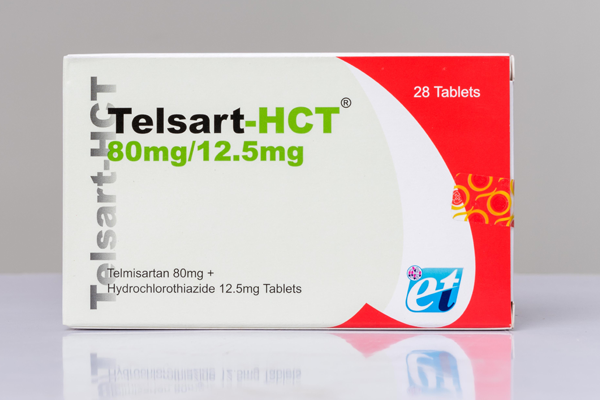
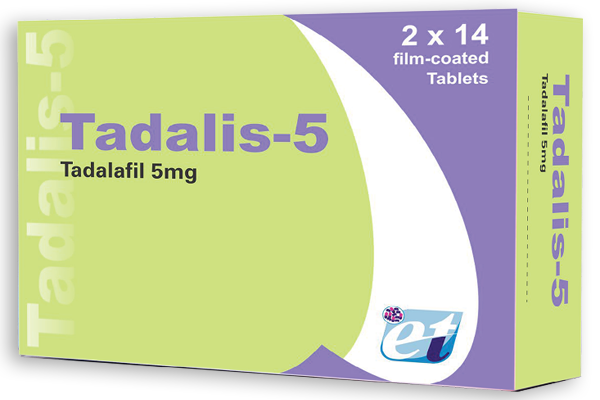
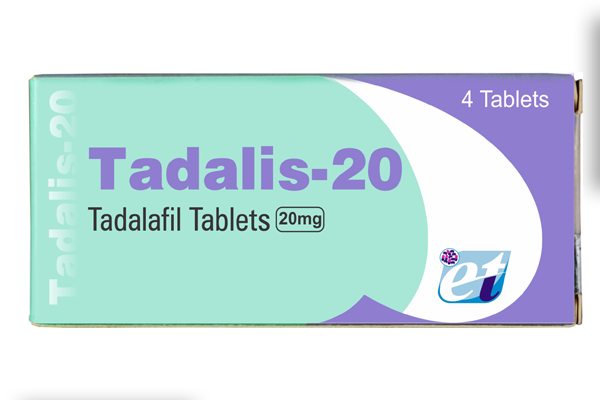
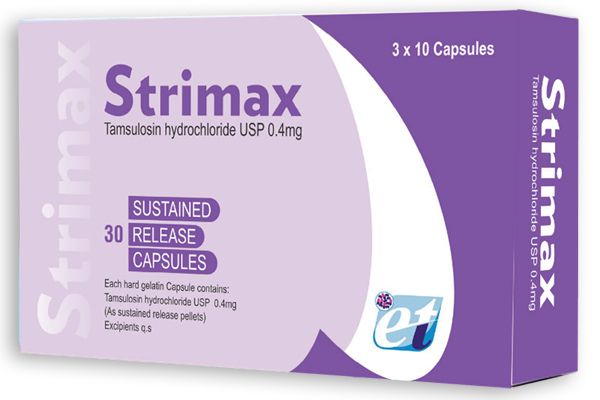
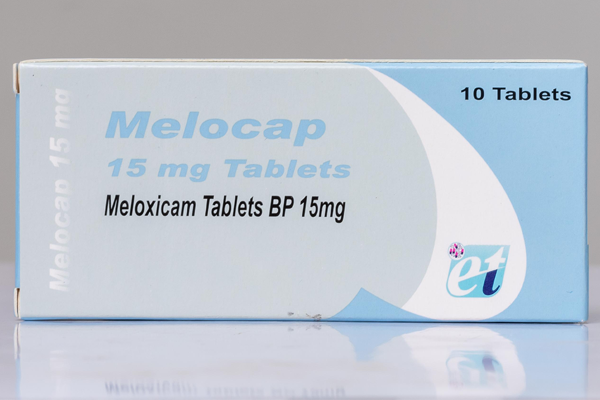
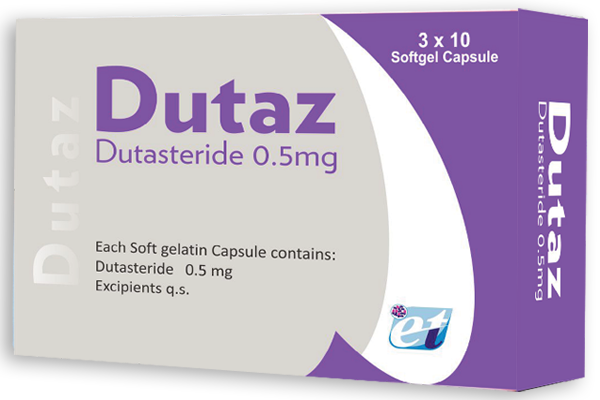
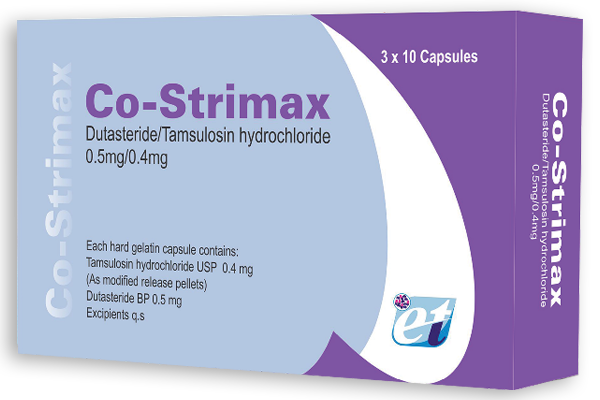
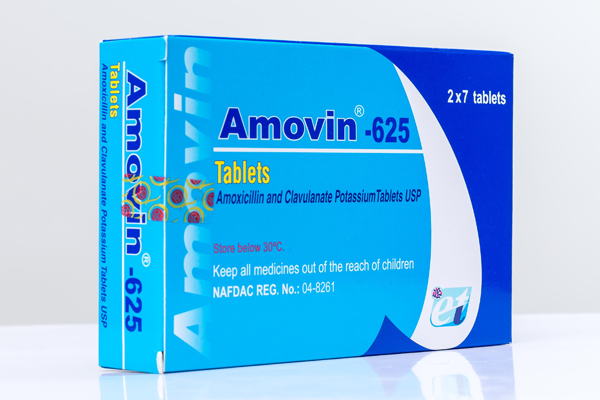
Evans Pharmaceuticals’ Relevant Products
Managing neuropathic pain often requires a comprehensive treatment plan tailored to the underlying cause and the individual’s symptoms. Depending on the healthcare professional’s assessment, treatment may include medicines specifically indicated for nerve pain, alongside medications for associated conditions such as diabetes or vitamin deficiencies.
Evans Pharmaceuticals Ltd offers a range of quality pharmaceutical products that support the management of pain and other medical conditions. Healthcare professionals can recommend the most appropriate Evans product based on the patient’s diagnosis and clinical needs. Medicines should always be used according to the advice of a qualified healthcare provider.
Conclusion
Neuropathic pain is different from ordinary pain because it originates from damaged or malfunctioning nerves. As a result, it often requires specialized diagnosis and treatment rather than relying solely on conventional pain medicines.
Recognizing symptoms early, identifying the underlying cause, and receiving prompt medical care can help reduce pain, improve function, and prevent further nerve damage. Whether neuropathic pain is caused by diabetes, shingles, injury, or another condition, a personalized treatment plan offers the best chance for long-term symptom control and improved quality of life.
If you experience persistent burning, tingling, numbness, or electric shock-like pain, consult a qualified healthcare professional for proper evaluation rather than self-medicating.
Disclaimer: This article is intended for educational purposes only and should not replace professional medical advice. Medicines should only be taken under the guidance of a qualified healthcare professional.