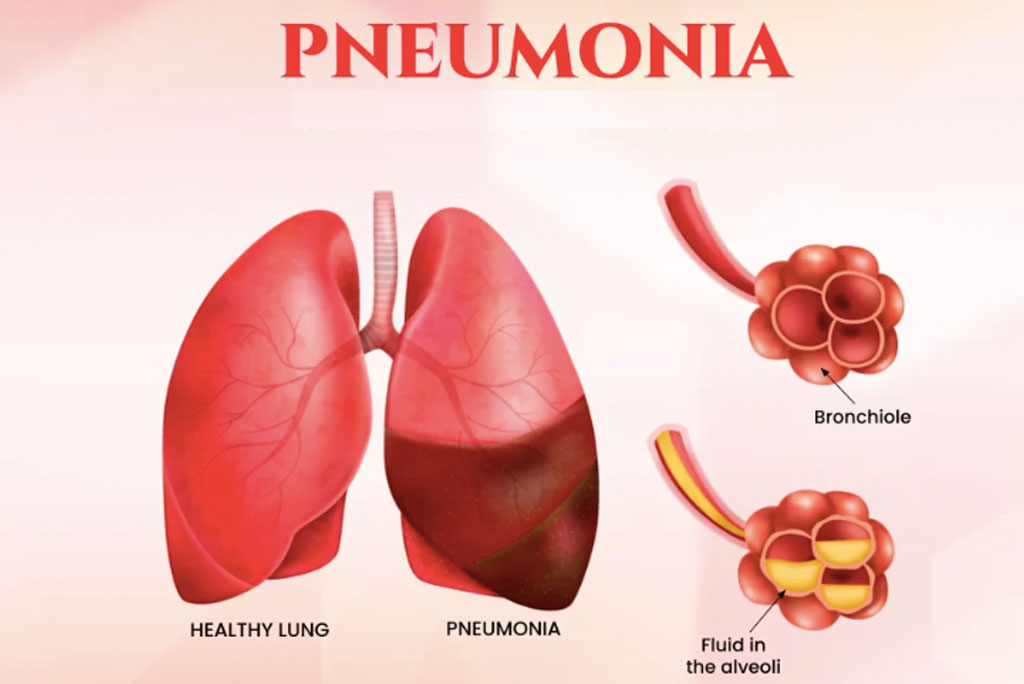
Pneumonia is a serious lung infection that affects people of all ages, but it is especially dangerous for young children, older adults, and people with weakened immune systems.
Although it is preventable and treatable, delayed diagnosis remains a major cause of severe illness and death. Recognising the symptoms early and seeking prompt medical care can significantly improve outcomes.
What Is Pneumonia?
Pneumonia occurs when the tiny air sacs in the lungs become inflamed and fill with fluid or pus, making it difficult to breathe and reducing the body’s oxygen supply.
It can be caused by:
-
Bacteria (the most common cause of severe pneumonia)
-
Viruses, including influenza and COVID-19
-
Fungi (less common, mainly in people with weakened immunity)
Who Is Most at Risk?
While anyone can develop pneumonia, the risk is higher in:
-
Children under five years
-
Adults aged 65 years and above
-
Smokers
-
Pregnant women
-
People with asthma, diabetes, heart disease, or HIV
-
Individuals with weakened immune systems
Signs and Symptoms
Symptoms often develop suddenly and may include:
-
Persistent cough with or without mucus
-
Fever and chills
-
Chest pain during breathing or coughing
-
Shortness of breath
-
Fast breathing
-
Fatigue and weakness
In children, warning signs may include poor feeding, unusual sleepiness, rapid breathing, chest indrawing, or bluish lips. These symptoms require urgent medical attention.
Why Early Treatment Matters
Pneumonia can worsen quickly, particularly in children and older adults. Without prompt treatment, it can lead to complications such as respiratory failure, bloodstream infection (sepsis), or fluid around the lungs.
Early diagnosis allows healthcare professionals to determine whether the infection is bacterial, viral, or another cause, ensuring the most appropriate treatment is started as soon as possible.
Diagnosis and Treatment
Doctors diagnose pneumonia using a medical history, physical examination, and, when necessary, investigations such as a chest X-ray or blood tests.
Treatment depends on the cause:
-
Bacterial pneumonia is treated with prescribed antibiotics.
-
Viral pneumonia may require antiviral medicines in some cases, along with supportive care.
-
Rest, adequate fluids, good nutrition, and medicines to reduce fever or pain also play important roles in recovery.
Severe cases may require hospital admission for oxygen therapy or intravenous medication. It is important to complete any prescribed course of antibiotics and never self-medicate, as inappropriate antibiotic use contributes to antimicrobial resistance.
Preventing Pneumonia
Simple preventive measures can greatly reduce the risk of pneumonia:
-
Keep childhood and adult vaccinations up to date.
-
Wash hands regularly.
-
Avoid smoking and second-hand smoke.
-
Eat a balanced diet and stay physically active.
-
Manage chronic medical conditions effectively.
-
Seek prompt treatment for persistent coughs, fever, or breathing difficulties.
Evans Pharmaceuticals’ Commitment to Better Respiratory Health
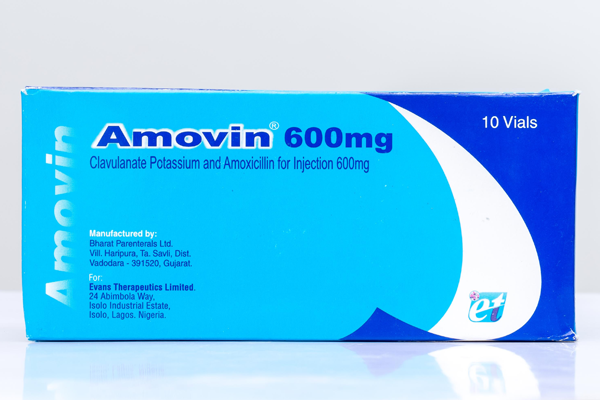
Timely diagnosis and access to quality medicines are essential for the successful management of pneumonia. Evans Pharmaceuticals supports healthcare professionals by providing high-quality pharmaceutical products used in the treatment of bacterial infections when clinically indicated.
Patients should always use antibiotics only under the guidance of a qualified healthcare professional to ensure safe and effective treatment.
Conclusion
Pneumonia is a medical condition that should never be ignored. Whether it affects a young child or an older adult, recognising the symptoms early and seeking prompt medical care can save lives. Early treatment not only speeds recovery but also reduces the risk of serious complications.
If you or a loved one develops persistent cough, fever, chest pain, or difficulty breathing, consult a qualified healthcare professional without delay.
Disclaimer: This article is for educational purposes only and should not replace professional medical advice. Prescription medicines, including antibiotics, should only be taken under the supervision of a qualified healthcare professional.