
Every year on 17 September, World Patient Safety Day reminds us of the importance of preventing avoidable harm in healthcare.
In 2026, the World Health Organization (WHO) is focusing on people living with noncommunicable diseases (NCDs). The theme is “Safe care for noncommunicable diseases”, with the slogan “Safe care for life!”
Conditions such as diabetes, hypertension, heart disease, cancer and chronic respiratory diseases often require long-term treatment. For people taking medicines regularly, using them safely is an important part of good care.
Medication errors can happen in many ways. A person may take the wrong medicine or dose, miss doses, combine medicines without advice or fail to attend recommended monitoring. Many of these problems can be prevented.
Know Your Medicines
Keep an up-to-date list of all your medicines. Include the name, dose and how often you take each one. Show the list to your doctor or pharmacist, especially when you start a new medicine or see a different healthcare professional.
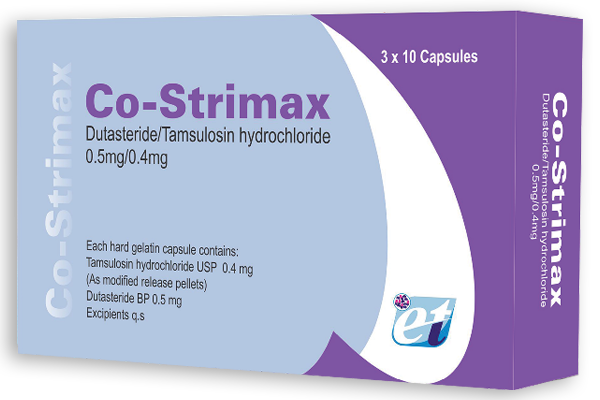
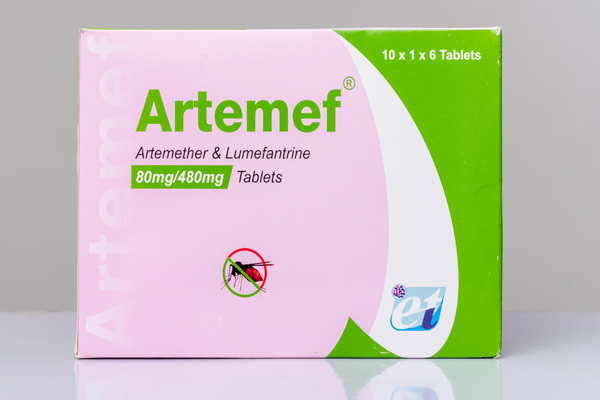
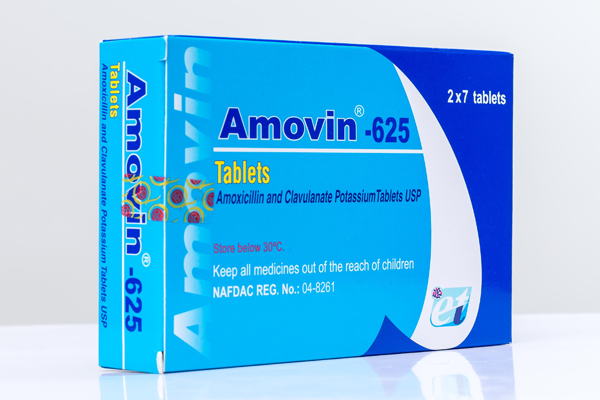
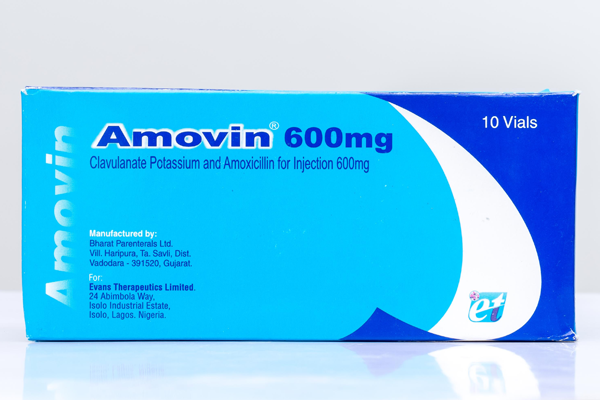
Before taking a medicine, check the name, strength, dose and instructions. If it looks different from what you normally receive, ask before using it.
Be Careful With Combinations
Medicines can interact with other medicines, supplements, herbal products and even some foods. These interactions may reduce effectiveness or increase side effects.
Tell your doctor or pharmacist about everything you take, including medicines bought without a prescription. Do not assume a product is safe simply because it is labelled “natural.”
Missed Doses and Duplicate Medicines
If you miss a dose, do not automatically take two doses together. What to do depends on the medicine. Check the instructions or speak with your pharmacist.
Also check that you are not taking two products containing the same active ingredient. This can happen when medicines come from different providers or when an over-the-counter product contains an ingredient you already take.
Monitoring Is Part of Safe Treatment
Some long-term medicines require regular checks. These may include blood pressure, blood glucose, blood tests, or kidney and liver function tests.
Do not skip follow-up appointments because you feel well. Some conditions can worsen without obvious symptoms, while some medicine-related problems may only be detected through testing.
Speak Up
Ask questions when you are unsure about your treatment:
- What is this medicine for?
- How and when should I take it?
- What should I do if I miss a dose?
- Are there medicines, foods or supplements I should avoid?
- What side effects should I watch for?
- Do I need any tests or follow-up?
Your pharmacist can help identify interactions, duplicate medicines, dosing problems and other concerns.
Safe Care for Life Starts With You
Safe long-term care is a shared responsibility. Patients, caregivers, doctors, pharmacists and other healthcare professionals all have a role to play.
Keep your medicines organised. Follow your treatment instructions. Attend your follow-up appointments. Most importantly, speak up when something is unclear.
Never start, stop or change a prescribed medicine without appropriate medical advice. If you have questions about your treatment, speak with your doctor or pharmacist.
Safe care for life starts with being informed and staying involved in your care.
At Evans Therapeutics Ltd, we are committed to patient-centred healthcare. We support health education that helps patients understand their treatment and take an active role in their health.