
Your immune system is your body’s natural defense network. It helps identify and respond to viruses, bacteria, parasites and other threats while also supporting recovery when you become ill. Although you cannot completely prevent infections, everyday habits can help your body function at its best.
Building a strong immune system is not about finding one “immune-boosting” food, drink or supplement. Instead, it is about consistently supporting your overall health through good nutrition, regular physical activity, adequate sleep, stress management, good hygiene, vaccination and avoidance of harmful substances. The World Health Organization (WHO) identifies healthy eating, physical activity, adequate sleep, avoiding tobacco and limiting or avoiding alcohol as important components of healthy self-care.
Understanding the Immune System
The immune system involves a complex network of cells, tissues, organs and biological processes. It protects the body against infections while helping remove damaged or abnormal cells.
A healthy immune system does not mean that you will never get sick. Colds, flu, malaria and other infections can still occur, even in people who maintain healthy lifestyles. Rather, the goal is to support normal immune function and reduce avoidable health risks.
Nutrition is particularly important because the body needs adequate energy, protein, vitamins and minerals to function properly. WHO recommends a varied diet based largely on vegetables, fruits, legumes, whole grains, nuts and other nutrient-rich foods.
Causes and Risk Factors for Poor Immune Health
There is no single cause of a “weak immune system.” Immune function can be affected by several factors, including:
- Poor or inadequate nutrition
- Lack of regular physical activity
- Persistent sleep deprivation
- Chronic stress
- Tobacco use
- Harmful alcohol consumption
- Certain chronic diseases
- Some medicines and medical treatments
- Age, particularly infancy and older adulthood
- Certain infections or conditions that directly affect immunity
Malnutrition and specific nutrient deficiencies can impair normal immune function, while unhealthy lifestyle patterns can contribute to broader health problems. WHO notes that tobacco use can weaken immunity and damage nearly every organ in the body.
People with conditions that affect immunity may need additional medical assessment rather than relying solely on lifestyle changes or supplements.
Signs and Symptoms: When Should You Be Concerned?
There is no single symptom that proves someone has a “weak immune system.” Getting an occasional cold or infection does not necessarily mean your immune system is unhealthy.
However, speak with a healthcare professional if you experience frequent, unusually severe or persistent infections, infections that repeatedly return, unexplained weight loss, prolonged fever, persistent fatigue, or wounds that do not heal normally.
These symptoms can have many possible causes, including nutritional deficiencies, chronic diseases, medication effects or specific immune disorders. They should therefore be assessed rather than treated with an “immune booster” without identifying the underlying problem.
Diagnosis
A healthy person does not usually need a special test simply to determine whether their immune system is “strong.”
If recurrent or unusual infections are occurring, a healthcare professional may take a detailed medical history and perform a physical examination. Depending on the symptoms, they may request blood tests or other investigations to look for conditions such as anaemia, nutritional deficiencies, diabetes, infections or problems affecting immune function.
The appropriate tests depend on the individual. Avoid ordering or taking supplements based solely on internet-based “immune deficiency” checklists.
Treatment and Healthy Ways to Support Your Immune System
1. Eat a varied, balanced diet
Food is one of the foundations of immune health. Instead of focusing on a single “superfood,” aim for variety.
Include foods such as vegetables, fruits, beans and other legumes, whole grains, nuts and seeds, fish, eggs and other appropriate sources of protein. Locally available foods can form part of a healthy diet; nutritious meals do not have to be expensive or complicated.
WHO recommends that people over 10 years of age aim for at least 400 grams of fruits and vegetables each day, alongside adequate dietary fibre.
Limit excessive amounts of highly processed foods, free sugars, unhealthy fats and salt. A balanced diet is particularly important for preventing nutritional deficiencies that may affect overall health.
2. Stay physically active
Regular exercise supports cardiovascular health, mental wellbeing and overall physical function. WHO recommends that adults generally undertake 150–300 minutes of moderate-intensity aerobic activity per week, or an equivalent amount of vigorous activity, with muscle-strengthening activities also recommended.
You do not have to begin with an intense workout. Brisk walking, cycling, dancing, swimming, active household chores or other enjoyable activities can help you become more active.
If you have a medical condition or have been inactive for a long time, ask a healthcare professional about an appropriate exercise programme.
3. Prioritise quality sleep
Sleep is more than simply taking a break from the day. It is an important part of maintaining physical and mental health.
Most adults need at least seven hours of sleep per night, although individual needs vary. NIH guidance recommends making good sleep part of a broader approach to supporting immune health.
Try to maintain a consistent sleep and wake schedule, create a comfortable sleeping environment and reduce activities that interfere with sleep.
4. Manage ongoing stress
Short-term stress is a normal part of life, but persistent stress can affect both mental and physical wellbeing. WHO recommends practical approaches such as maintaining routines, exercising, getting adequate sleep, eating well and staying connected with trusted family members or friends.
If stress becomes overwhelming or begins interfering with work, relationships, sleep or daily activities, consider speaking with a qualified healthcare professional.
5. Avoid tobacco and harmful alcohol use
Tobacco damages the lungs and other organs and is associated with weakened immunity. Avoiding tobacco is therefore one of the most important steps you can take for long-term health.
For alcohol, less is better for health, and people who do not drink should not start drinking for supposed health benefits. Alcohol should never be considered a way to prevent or treat an infection.
6. Keep vaccinations up to date
Vaccination is one of the most effective ways to protect against specific infectious diseases. Vaccines work by preparing the immune system to recognise particular threats; they are not the same thing as taking a general “immune booster.”
Ask your healthcare provider which vaccines are recommended for your age, health status, occupation, pregnancy status and travel plans.
7. Practise everyday infection prevention
Supporting immunity does not replace basic infection prevention. Wash your hands regularly, practise good food hygiene, maintain appropriate respiratory hygiene and avoid unnecessary exposure to people who are acutely ill when possible.
Good hygiene helps reduce the number of infectious organisms that enter the body in the first place.
Prevention Tips for Everyday Immune Health
A practical daily routine can include:
- Eat a variety of vegetables and fruits.
- Include adequate protein and whole or minimally processed foods.
- Drink safe water regularly.
- Aim for regular physical activity.
- Get enough quality sleep.
- Find healthy ways to manage stress.
- Avoid tobacco and exposure to second-hand smoke.
- Avoid harmful alcohol consumption.
- Keep recommended vaccinations up to date.
- Practise regular hand and food hygiene.
- Attend routine medical check-ups when appropriate.
The Federal Ministry of Health and Social Welfare in Nigeria’s Nutrition Department is responsible for national nutrition policies and programmes aimed at improving nutritional status and promoting healthy feeding practices.
Frequently Asked Questions
Can vitamins make my immune system stronger?
Vitamins and minerals are essential for normal body functions, including immune function. However, taking more than you need does not necessarily make your immune system stronger. Supplements can be useful when a deficiency exists or when a healthcare professional recommends them for a particular reason.
What is the best food for the immune system?
There is no single best immune-boosting food. A varied diet containing vegetables, fruits, legumes, whole grains, nuts, seeds and appropriate protein sources is more important than relying on one food.
Can exercise prevent infections?
Regular physical activity supports overall health and is part of a healthy lifestyle, but it cannot guarantee that you will not develop an infection.
When should I see a doctor?
Seek professional medical advice if infections are unusually frequent, severe or persistent, or if you develop symptoms such as prolonged fever, unexplained weight loss, persistent fatigue or other concerning changes in your health.
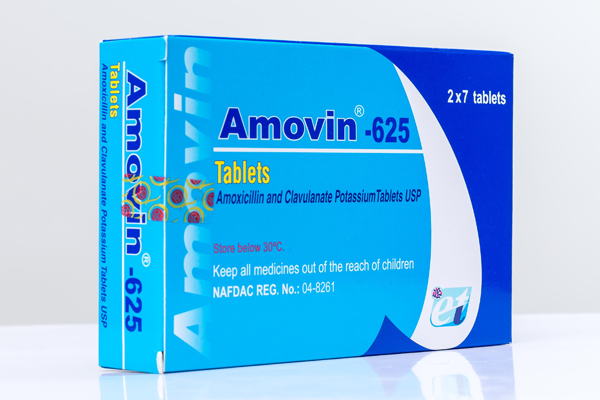
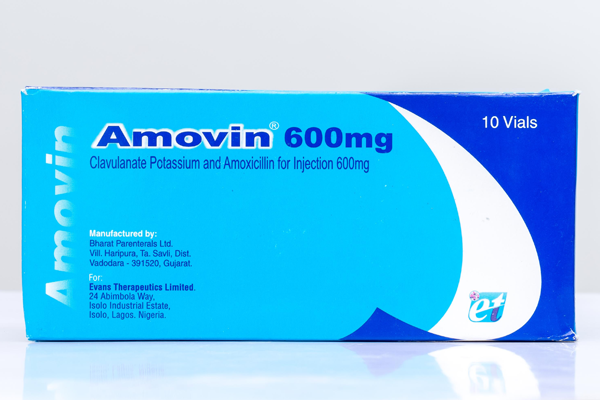
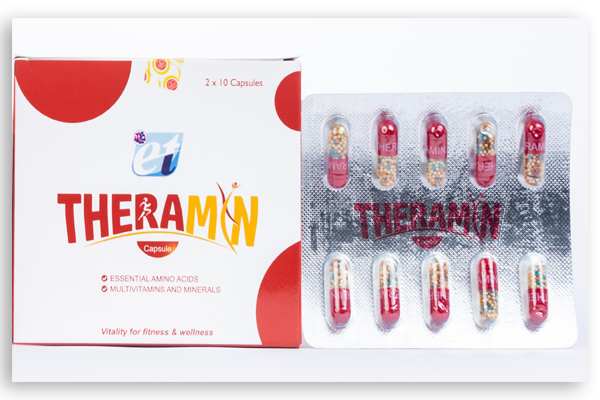
Evans Pharmaceuticals’ Relevant Products
For a topic such as immune health, it is important to distinguish general wellness products from medicines used to treat specific diseases.
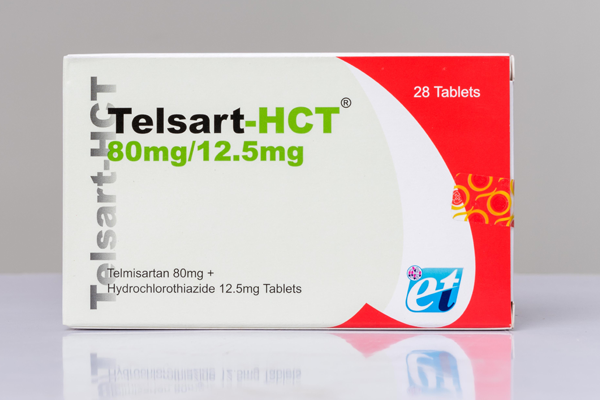
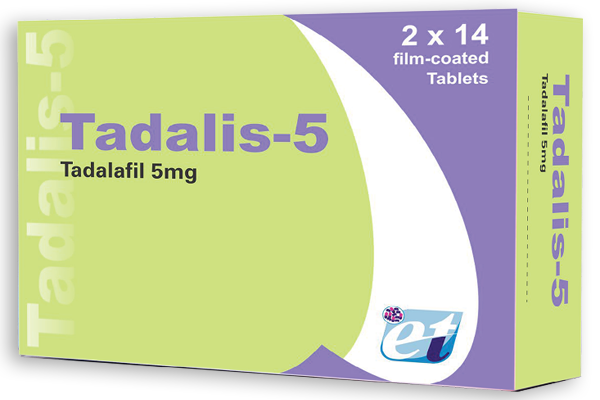
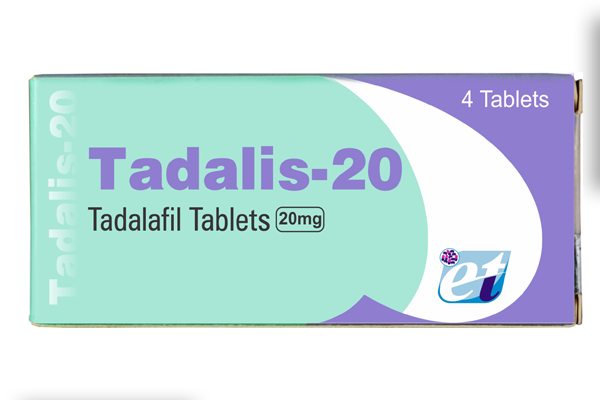
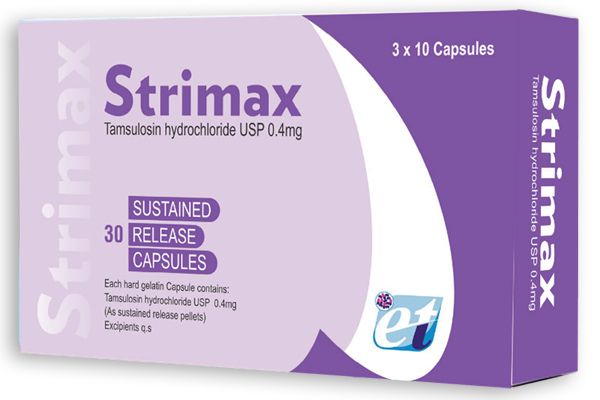
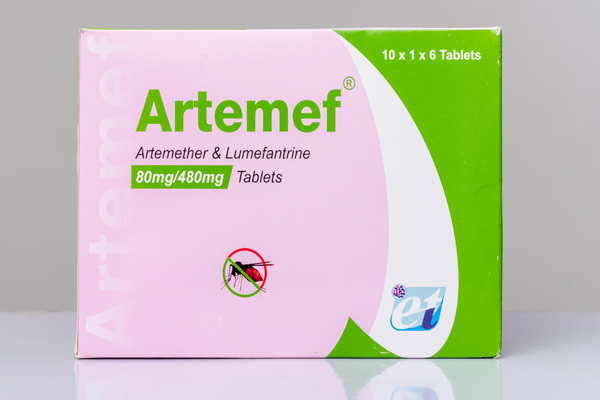
Evans-affiliated pharmaceutical products available in Nigeria include medicines for particular medical conditions, but these should not automatically be presented as “immune boosters.” For example, NAFDAC’s Greenbook lists Evans Baroque Limited as the manufacturer of registered Savatem artemether-lumefantrine products for malaria treatment. Such medicines are intended for their specific indications and should not be taken simply to strengthen immunity.
Where nutritional supplementation is appropriate, a pharmacist or doctor can assess whether a person actually needs a vitamin or mineral supplement and recommend a suitable, registered product. This is especially important for children, pregnant women, older adults and people taking other medicines.
Conclusion
Building a strong immune system is less about quick fixes and more about consistent everyday choices. A balanced diet, regular physical activity, sufficient sleep, stress management, avoidance of tobacco, responsible alcohol choices, vaccination and good hygiene all contribute to better overall health and support normal immune function.
There is no food, supplement or medicine that can guarantee protection from every infection. If you are frequently ill or have symptoms that concern you, speak with a qualified healthcare professional so that the underlying cause can be properly assessed.
Disclaimer: This article is for health education and does not replace professional medical advice. Medicines, vitamins and other supplements should only be taken according to the advice of a qualified healthcare professional.