Diabetes and high blood pressure (hypertension) are two of the most common chronic health conditions worldwide, and they frequently occur together. According to the World Health Organization (WHO), hypertension affects over one billion people globally, while diabetes continues to rise at an alarming rate. In Nigeria and many other countries, the growing prevalence of both conditions has become a major public health concern.
Although diabetes and hypertension are separate diseases, they share many risk factors and often develop side by side. More importantly, when both conditions are present, they significantly increase the risk of heart attacks, strokes, kidney failure, vision loss, and other life-threatening complications.
The encouraging news is that these complications are largely preventable. With early diagnosis, appropriate treatment, healthy lifestyle changes, and regular medical follow-up, people living with diabetes and high blood pressure can lead healthy and productive lives.
This article explains the relationship between diabetes and hypertension, why they are so dangerous when combined, and what you can do to protect your heart and kidneys.
Understanding Diabetes and High Blood Pressure
What is Diabetes?
Diabetes mellitus is a long-term condition in which the body cannot properly regulate blood sugar (glucose).
The two most common forms are:
- Type 1 diabetes, where the immune system destroys insulin-producing cells in the pancreas.
- Type 2 diabetes, where the body becomes resistant to insulin or does not produce enough insulin.
Persistently high blood sugar damages blood vessels and nerves throughout the body, leading to complications involving the eyes, kidneys, heart, brain, and feet.
What is High Blood Pressure?
Blood pressure measures the force of blood pushing against artery walls.
A healthy blood pressure is generally below 120/80 mmHg, while consistently elevated readings may indicate hypertension. High blood pressure forces the heart to work harder and gradually damages blood vessels throughout the body.
Because hypertension often develops without noticeable symptoms, it is commonly known as the “silent killer.”
Why Diabetes and High Blood Pressure Often Occur Together
People with diabetes are much more likely to develop hypertension than those without diabetes.
Several factors explain this close relationship:
Insulin Resistance
In Type 2 diabetes, insulin resistance contributes to elevated blood sugar while also affecting blood vessel function, making hypertension more likely.
Damage to Blood Vessels
High blood sugar damages the lining of blood vessels, causing them to become less flexible. Stiffer arteries increase blood pressure.
Kidney Changes
Healthy kidneys help regulate blood pressure by balancing salt and water. Diabetes can damage these organs, making blood pressure harder to control.
Shared Lifestyle Risk Factors
Both conditions are associated with:
- Excess body weight
- Physical inactivity
- Diets high in salt, sugar, and unhealthy fats
- Smoking
- Excessive alcohol intake
- Increasing age
- Family history
How the Combination Affects the Heart and Kidneys
Having either diabetes or hypertension increases the risk of cardiovascular disease. Having both together dramatically increases that risk.
Heart Disease
Both conditions damage arteries, encouraging fatty deposits (atherosclerosis) to develop.
This increases the likelihood of:
- Heart attacks
- Heart failure
- Coronary artery disease
- Stroke
- Peripheral artery disease
People with diabetes are already at increased cardiovascular risk, and uncontrolled hypertension accelerates this process.
Kidney Disease
The kidneys contain millions of tiny filtering units supplied by delicate blood vessels.
High blood sugar damages these filters, while high blood pressure places additional strain on them.
Over time, this may lead to:
- Protein leaking into urine
- Reduced kidney function
- Chronic kidney disease
- Kidney failure requiring dialysis or transplantation
Protecting kidney function is therefore a major goal in managing both conditions.
Causes and Risk Factors
Several factors increase the likelihood of developing both diabetes and hypertension:
- Obesity or overweight
- Family history
- Age above 45 years
- Physical inactivity
- High-salt diet
- Diet high in processed foods
- Smoking
- Excessive alcohol consumption
- High cholesterol
- Chronic stress
- Poor sleep quality
- History of gestational diabetes
People with these risk factors should undergo regular medical screening.
Signs and Symptoms
Diabetes Symptoms
Common warning signs include:
- Increased thirst
- Frequent urination
- Increased hunger
- Fatigue
- Blurred vision
- Slow-healing wounds
- Frequent infections
- Unexplained weight loss (especially in Type 1 diabetes)
High Blood Pressure Symptoms
Hypertension often causes no symptoms until complications occur.
When symptoms appear, they may include:
- Persistent headaches
- Dizziness
- Blurred vision
- Nosebleeds
- Chest pain
- Shortness of breath
Because symptoms are unreliable, regular blood pressure checks remain essential.
Diagnosis
Healthcare professionals diagnose these conditions using simple tests.
Diabetes Tests
These may include:
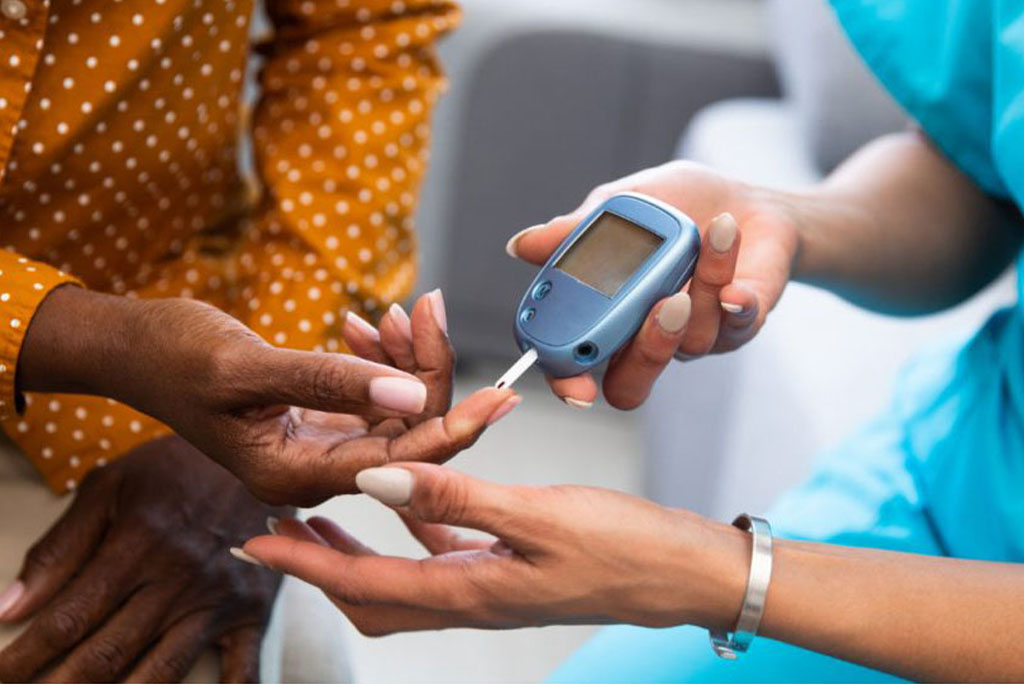
- Fasting blood glucose
- HbA1c (glycated haemoglobin)
- Random blood glucose
- Oral glucose tolerance test (when appropriate)
Blood Pressure Measurement
Blood pressure should be measured correctly using a validated monitor after adequate rest. Multiple readings on separate occasions are often required before confirming hypertension.
Additional Investigations
Doctors may also recommend:
- Kidney function tests
- Urine albumin (protein) testing
- Cholesterol profile
- Eye examination
- Electrocardiogram (ECG)
- Body mass index (BMI) assessment
Treatment Options
Successful treatment focuses on controlling both blood sugar and blood pressure simultaneously.
Healthy Lifestyle Changes
Lifestyle improvements remain the foundation of treatment.
These include:
- Eating a balanced diet rich in vegetables, fruits, whole grains, legumes, and lean protein
- Reducing salt intake
- Limiting sugary foods and drinks
- Exercising for at least 150 minutes each week
- Achieving and maintaining a healthy weight
- Quitting smoking
- Limiting alcohol
- Managing stress
- Sleeping adequately
Medications
Depending on individual needs, healthcare professionals may prescribe:
For diabetes:
- Metformin
- Sulfonylureas
- DPP-4 inhibitors
- SGLT2 inhibitors
- GLP-1 receptor agonists
- Insulin
For hypertension:
- ACE inhibitors
- Angiotensin receptor blockers (ARBs)
- Calcium channel blockers
- Diuretics
- Other antihypertensive medicines
Some blood pressure medicines, particularly ACE inhibitors and ARBs, may also help protect kidney function in people with diabetes.
Patients should take medicines exactly as prescribed and attend regular follow-up appointments.
Prevention Tips
While not every case can be prevented, many people can significantly reduce their risk by:
- Maintaining a healthy body weight
- Staying physically active
- Eating nutritious meals
- Reducing salt intake
- Avoiding tobacco products
- Limiting alcohol
- Managing blood sugar levels effectively
- Monitoring blood pressure regularly
- Having routine medical check-ups
- Taking prescribed medications consistently
Early intervention greatly reduces the risk of long-term complications.
Frequently Asked Questions
Can diabetes cause high blood pressure?
Diabetes does not directly cause hypertension, but high blood sugar damages blood vessels and kidneys, making high blood pressure much more likely.
Which condition should be treated first?
Both should be managed together. Controlling blood sugar alone is not enough if blood pressure remains elevated.
Can lifestyle changes make a difference?
Yes. Healthy eating, regular exercise, weight management, and smoking cessation can improve both blood sugar and blood pressure control.
How often should blood pressure be checked?
People living with diabetes should have their blood pressure checked regularly as advised by their healthcare provider. Home blood pressure monitoring may also be beneficial for some patients.
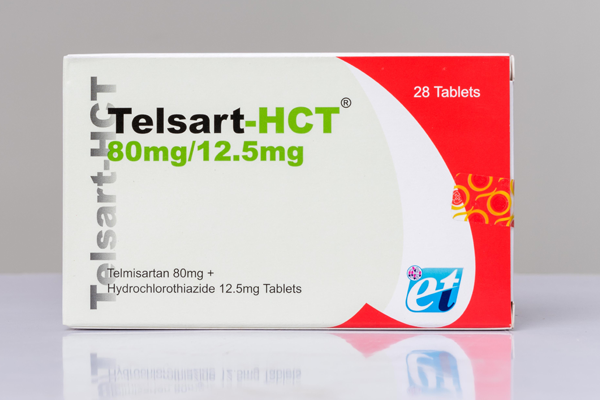
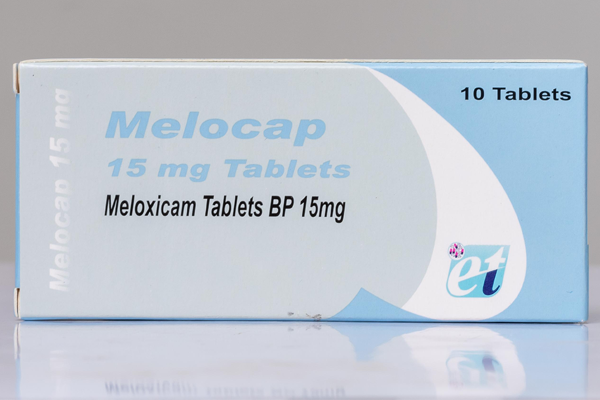
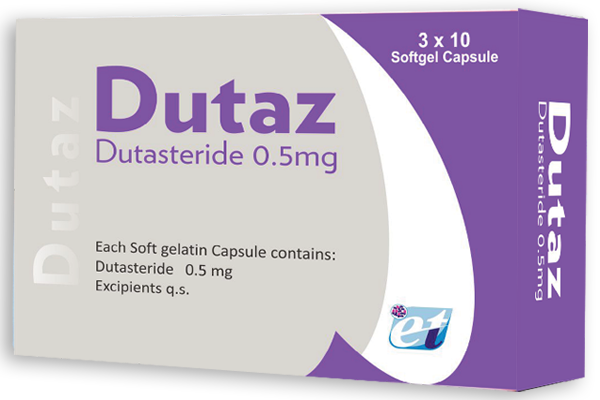
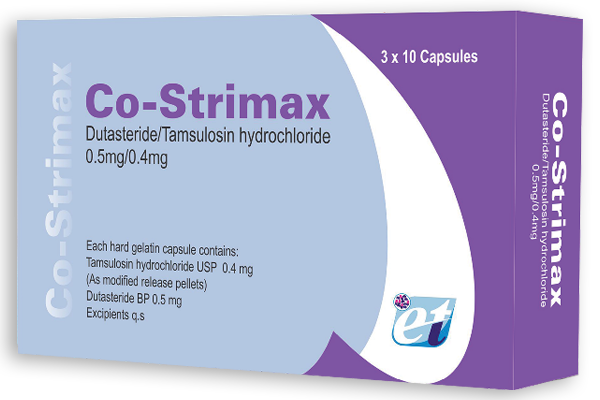
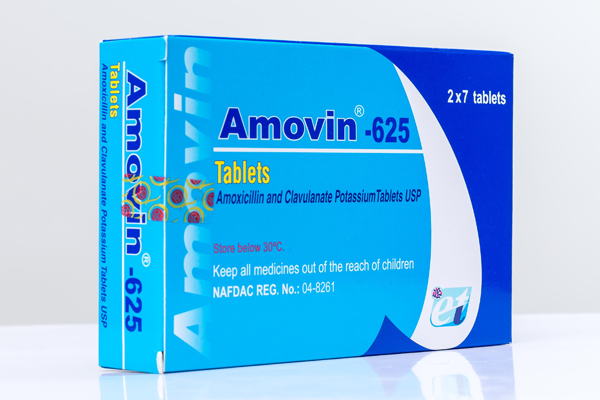
Evans Pharmaceuticals’ Relevant Products
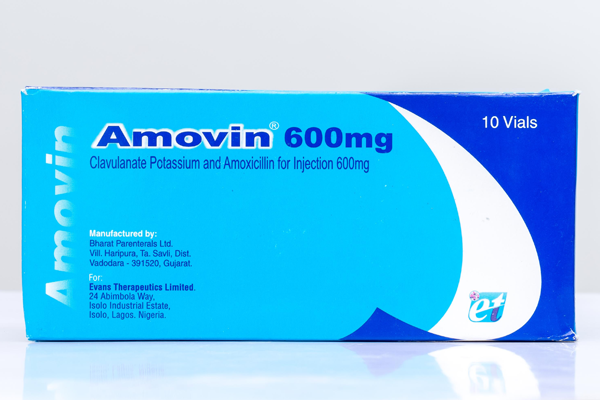
Managing diabetes and hypertension often requires long-term medication alongside healthy lifestyle habits. Evans Pharmaceuticals Ltd supports quality healthcare by providing a range of trusted medicines that healthcare professionals may prescribe for managing cardiovascular and metabolic conditions, where appropriate.
Patients should only use prescription medicines after evaluation by a qualified healthcare professional. The most suitable treatment depends on individual medical history, blood pressure readings, blood sugar control, kidney function, and other health factors.
Conclusion
Diabetes and high blood pressure are closely linked conditions that can silently damage the heart, kidneys, brain, and blood vessels if left uncontrolled. Fortunately, early diagnosis, healthy lifestyle choices, regular monitoring, and adherence to prescribed treatment can significantly reduce the risk of serious complications.
If you have diabetes, make blood pressure monitoring part of your routine healthcare. Likewise, if you have hypertension, regular screening for diabetes is equally important. Working closely with your healthcare provider can help you protect your heart, preserve kidney function, and enjoy a healthier future.
Disclaimer: This article is for educational purposes only and should not replace professional medical advice. Medicines should only be taken under the guidance of a qualified healthcare professional. If you have symptoms of diabetes, high blood pressure, or concerns about your heart or kidney health, consult your doctor or visit the nearest healthcare facility.