
Your kidneys work every day to keep your body healthy. They filter waste and excess fluid from your blood, balance essential minerals, help regulate blood pressure, and support red blood cell production and bone health.
Despite these vital functions, kidney health is often overlooked. Understanding the risks and adopting healthy habits can help protect your kidneys and reduce the risk of disease.
The Link Between Kidney Health, Hypertension and Diabetes
High blood pressure (hypertension) and diabetes are two leading causes of chronic kidney disease. Both conditions can damage the kidneys over time, often without obvious symptoms in the early stages.
Uncontrolled blood pressure strains the blood vessels in the kidneys. High blood sugar can also damage the kidneys’ filtering units.
The relationship works both ways. Damaged kidneys may struggle to remove excess salt and fluid, which can further raise blood pressure.
Managing blood pressure and blood sugar is therefore essential for kidney health. Regular monitoring and appropriate medical care can help reduce the risk of complications.
5 Ways to Protect Your Kidneys
1. Control Your Blood Pressure and Blood Sugar
Check your blood pressure and blood glucose regularly, especially if you have hypertension, diabetes, or a family history of kidney disease. Follow your healthcare professional’s advice and take prescribed medicines as directed. Ask whether you need regular kidney function tests.
2. Stay Properly Hydrated
Drink enough water to replace fluid lost through daily activities and sweating. This is particularly important in hot weather.
However, drinking excessive amounts of water does not necessarily improve kidney health. If you have kidney or heart disease, ask your healthcare professional how much fluid is appropriate for you.
3. Use Pain Medicines Carefully
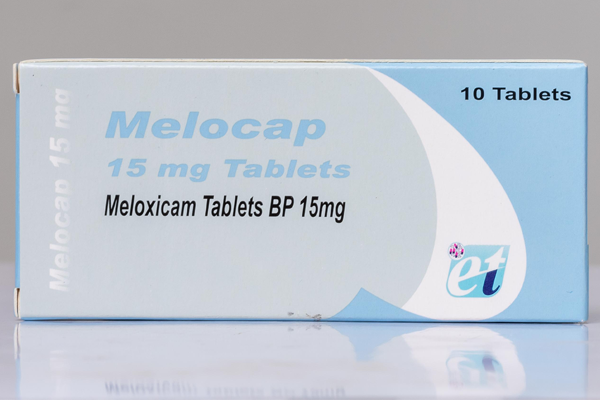
Some pain relievers can damage the kidneys, especially when used frequently, at high doses, or during dehydration.
Seek professional advice before using these medicines regularly, particularly if you have hypertension, diabetes, or existing kidney problems. Avoid self-medication and follow recommended doses.
4. Eat Well and Stay Active
Choose a balanced diet with vegetables, fruits, whole grains, and appropriate sources of protein. Limit excess salt to help manage blood pressure.
Regular exercise and maintaining a healthy weight also support cardiovascular health. Avoid tobacco and limit alcohol consumption. If you have kidney disease, seek professional advice before making major dietary changes.
5. Make Regular Health Checks a Priority
Kidney disease can develop without noticeable symptoms. Regular health checks can help identify problems before they become more serious.
Depending on your risk factors, your healthcare professional may recommend blood pressure checks, blood glucose tests, blood tests to assess kidney function, and urine tests to detect albumin, a protein that may indicate kidney damage.
Early detection allows timely treatment and may help slow disease progression.
Take Steps Towards Better Kidney Health
Protecting your kidneys starts with everyday choices. Manage your blood pressure and blood sugar, eat well, stay active, use medicines responsibly, and attend regular health checks.
If you have hypertension or diabetes, speak with your healthcare professional about your risk of kidney disease and the checks you may need.
Taking action today can help protect your kidney health for the future.
Disclaimer: This article is for general health education only. It does not replace professional medical advice, diagnosis, or treatment. Consult a qualified healthcare professional for guidance on your individual health needs.