
Frequent urination, burning, or difficulty passing urine may not always be an infection. Learn the possible causes and when to seek medical care.
Many men experience urinary symptoms at some point in their lives. A burning sensation while urinating, frequent trips to the bathroom, difficulty emptying the bladder, or waking several times at night to urinate are often assumed to be signs of a urinary tract infection (UTI).
While infections are certainly one possible cause, recurrent urinary symptoms may point to an underlying condition that requires a different approach to diagnosis and treatment.
Understanding the possible causes of persistent urinary symptoms can help men seek timely medical care and avoid unnecessary complications.
When Urinary Symptoms Keep Coming Back
Occasional urinary discomfort may resolve with appropriate treatment. However, when symptoms return repeatedly or never seem to go away completely, it is important not to ignore them.
Common recurrent urinary symptoms include:
- Frequent urination
- Pain or burning during urination
- Difficulty starting or maintaining urine flow
- A weak or interrupted urine stream
- Feeling that the bladder has not emptied completely
- Waking several times at night to urinate
- Urgent need to urinate
- Pain in the lower abdomen, pelvis, or lower back
These symptoms can significantly affect daily activities, sleep quality, and overall wellbeing.
Could It Be More Than an Infection?
Although bacterial urinary tract infections occur in men, especially older adults, they are generally less common than in women. Recurrent symptoms may have several possible causes.
Benign Prostatic Hyperplasia (BPH)
As men age, the prostate gland often enlarges. This common condition, known as benign prostatic hyperplasia (BPH), can press against the urethra and interfere with normal urine flow.
Men with BPH commonly experience:
- Frequent urination
- Weak urine stream
- Difficulty starting urination
- Dribbling after urination
- Night-time urination (nocturia)
Early evaluation can help manage symptoms and reduce the risk of urinary retention or bladder complications.
Chronic Prostatitis
Inflammation of the prostate gland can produce symptoms similar to a urinary tract infection, even when no bacteria are present. Men may experience pelvic discomfort, painful urination, pain during ejaculation, or persistent urinary symptoms that come and go.
Urinary Tract Infection
Although less common in men, UTIs can occur, particularly in older adults or men with urinary obstruction, kidney stones, or diabetes. A healthcare professional may request a urine test to confirm whether bacteria are responsible before prescribing treatment.
Kidney or Bladder Stones
Small stones within the urinary tract can irritate the bladder or obstruct urine flow, causing pain, blood in the urine, and recurrent urinary symptoms.
Sexually Transmitted Infections (STIs)
Certain sexually transmitted infections may cause burning during urination or urethral discharge and should be considered, particularly in sexually active individuals.
Why Self-Medication Can Be a Problem
Many people assume that every urinary symptom requires antibiotics. However, taking antibiotics without confirming the cause may delay proper diagnosis and contribute to antibiotic resistance.
The right treatment depends on identifying the underlying condition. Your healthcare provider may recommend:
- Urine analysis and culture
- Blood tests
- Prostate examination
- Ultrasound imaging
- Additional investigations where necessary
Accurate diagnosis helps ensure that treatment is both safe and effective.
Treatment Depends on the Cause
If a bacterial infection is confirmed, your healthcare provider may prescribe an appropriate antibiotic based on clinical assessment and laboratory findings.
Evans Therapeutics offers a range of quality anti-infective medicines, including Levoxin® (Levofloxacin), Rapidflox® (Ciprofloxacin), Cefunat® (Cefuroxime Axetil), Cefujet® (Cefuroxime Sodium Injection), and Amovin® (Amoxycillin-Clavulanate), which healthcare professionals may prescribe for susceptible bacterial infections where clinically appropriate.
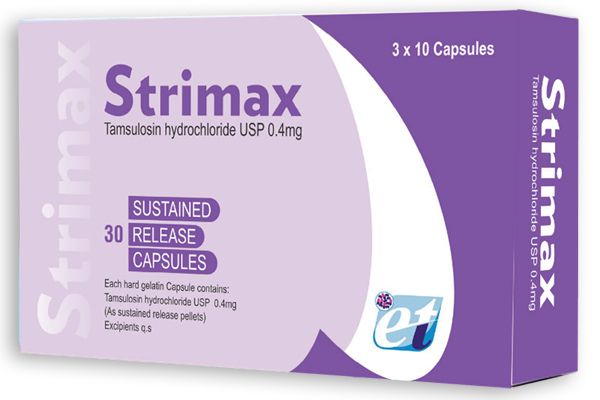
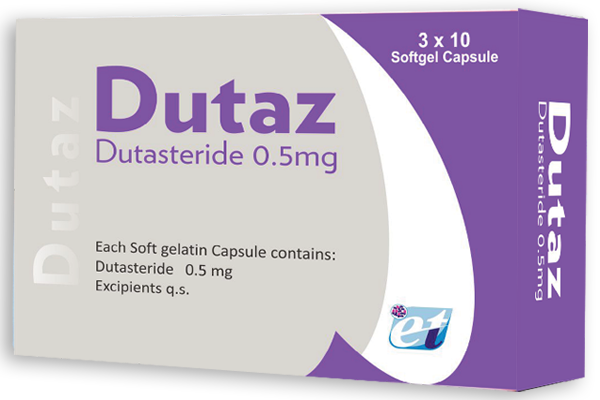
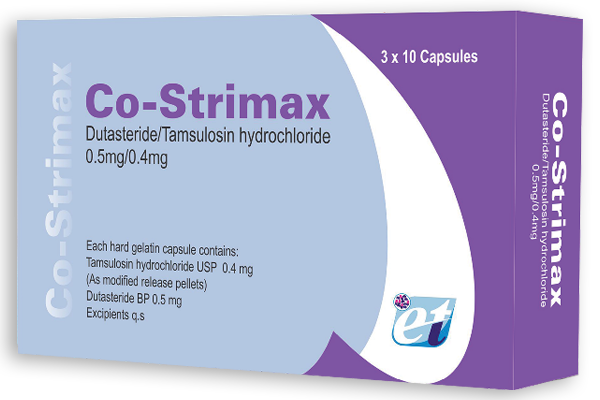
Where urinary symptoms are related to prostate enlargement rather than infection, treatment may involve medicines that help improve urine flow. Evans Therapeutics also offers Strimax® (Tamsulosin) and Co-Strimax® (Tamsulosin + Dutasteride), which may be prescribed by healthcare professionals for the management of symptoms associated with benign prostatic hyperplasia (BPH).
Medicines should always be used under the guidance of a qualified healthcare professional.
When Should You See a Doctor?
Arrange a medical evaluation if you experience:
- Urinary symptoms lasting more than a few days
- Recurrent urinary infections
- Blood in the urine
- Fever or chills
- Severe back or side pain
- Difficulty passing urine
- Persistent pelvic pain
- Symptoms that continue despite previous treatment
Early diagnosis often leads to better outcomes and can help prevent complications affecting the bladder, kidneys, or prostate.
Supporting Urinary Health
While not all urinary problems can be prevented, these healthy habits may reduce your risk:
- Drink adequate amounts of water.
- Do not ignore the urge to urinate.
- Maintain good personal hygiene.
- Control chronic conditions such as diabetes.
- Attend regular medical check-ups, especially after the age of 50.
- Seek prompt medical advice if symptoms develop.
Conclusion
Recurrent urinary symptoms should never be dismissed as “just another infection.” They may be an early sign of an enlarged prostate, chronic prostatitis, urinary stones, or another condition requiring specific treatment.
At Evans Therapeutics Limited, we are committed to supporting better health through quality medicines and patient education. If you experience persistent or recurring urinary symptoms, consult your doctor or pharmacist for proper evaluation. The right diagnosis is the first step toward effective treatment and lasting relief.