It’s a common experience: after taking antibiotics for a few days, you begin to feel much better. The fever is gone, the pain has eased, and it may seem like the infection has disappeared. At this point, many people are tempted to stop taking their medication.
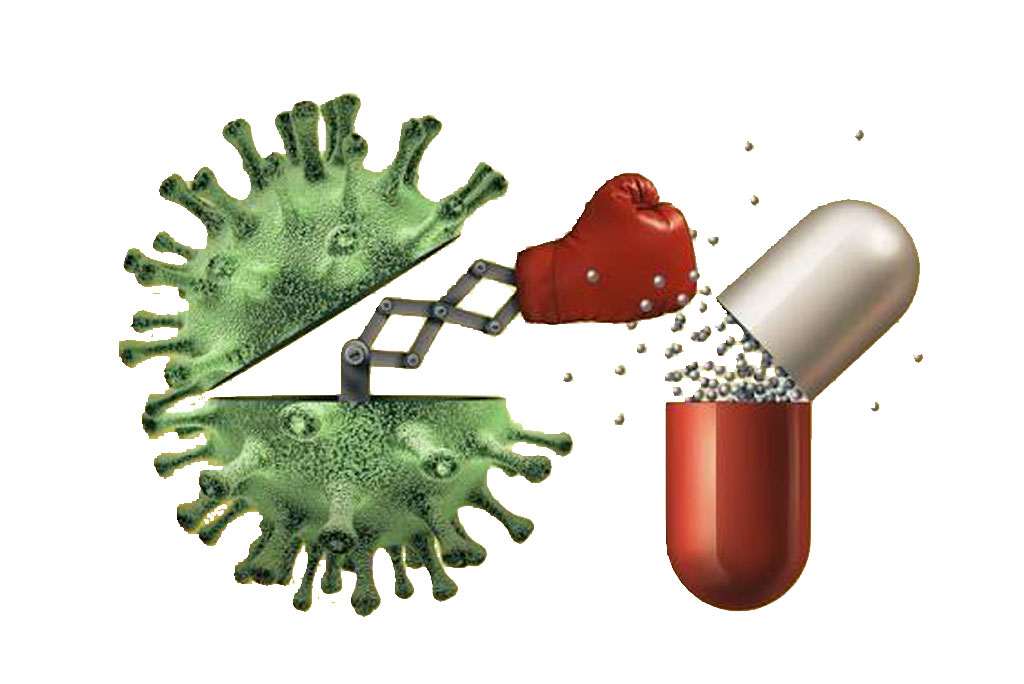
However, stopping antibiotics too soon is one of the leading causes of treatment failure and antibiotic resistance. Completing the full course prescribed by your healthcare professional helps ensure the infection is fully treated and reduces the risk of bacteria becoming resistant to antibiotics.
Why You May Feel Better Before the Infection Is Gone
Antibiotics begin working soon after treatment starts, reducing the number of bacteria causing the infection. As the bacterial load decreases, symptoms improve.
However, some bacteria may still remain in the body. If treatment is stopped early, these surviving bacteria can continue to multiply, causing the infection to return—sometimes in a more severe form.
The Risks of Stopping Antibiotics Early
Failing to complete your prescribed course can have serious consequences, including:
- The infection returning after initial improvement
- Longer recovery time
- Increased risk of complications
- The need for stronger or more expensive antibiotics
- Development of antibiotic-resistant bacteria
Antibiotic resistance makes infections harder to treat and is recognised as one of the world’s most significant public health challenges.
Can I Save the Remaining Tablets for Another Illness?
No. Antibiotics should never be saved for future use or shared with family or friends. Different bacterial infections require different antibiotics, doses, and treatment durations. Taking leftover medication without medical advice may delay proper treatment, mask symptoms, or contribute to antibiotic resistance.
How to Take Antibiotics Responsibly
To get the best results from your treatment:
- Take the medicine exactly as prescribed.
- Complete the full course, even if you feel better.
- Take doses at the recommended times.
- Do not skip doses.
- Never share antibiotics with others.
- Return unused medicines to a pharmacy for safe disposal where disposal services are available.
If you experience troublesome side effects, contact your healthcare provider rather than stopping the medicine on your own.
When Antibiotics Are Not Needed
Antibiotics are effective against bacterial infections but do not treat illnesses caused by viruses, such as:
- Most common colds
- Influenza (flu)
- Most sore throats
- Many cases of acute cough
Taking antibiotics unnecessarily offers no benefit and contributes to the growing problem of antibiotic resistance.
Evans Pharmaceuticals’ Commitment to Responsible Antibiotic Use
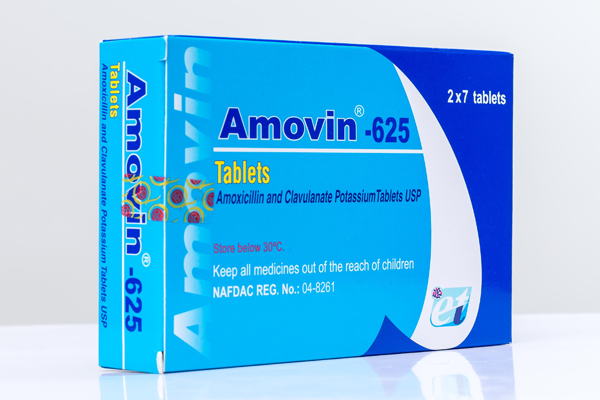
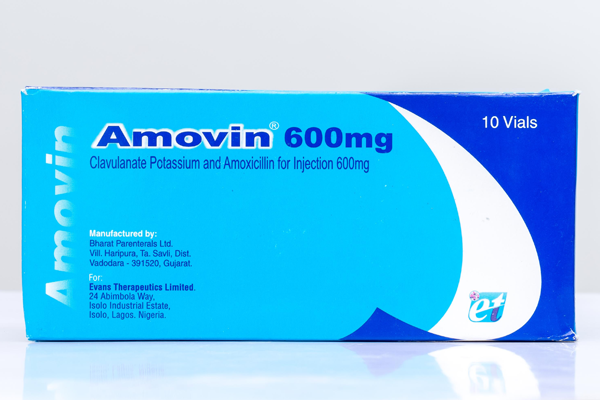
Evans Pharmaceuticals is committed to supporting responsible antimicrobial stewardship by providing high-quality antibiotics for use when prescribed by qualified healthcare professionals. The company also promotes patient education to help ensure antibiotics remain effective for future generations.
Conclusion
Feeling better does not always mean the infection has been completely eliminated. Completing your antibiotic course as prescribed gives you the best chance of a full recovery while helping to slow the spread of antibiotic-resistant bacteria.
If you have questions about your medication or experience side effects during treatment, speak with your doctor or pharmacist before making any changes to your prescribed course.
Disclaimer: This article is for educational purposes only and should not replace professional medical advice. Antibiotics should only be taken under the supervision of a qualified healthcare professional.