Antibiotics are among the most critical tools in modern medicine, helping treat bacterial infections and prevent complications. However, the misuse and overuse of these medications have led to a global health challenge: antibiotic resistance. Understanding how resistance develops and the importance of responsible use is vital for protecting individual and public health.
What Is Antibiotic Resistance?
Antibiotic resistance occurs when bacteria adapt to survive exposure to antibiotics that would normally eliminate them. Resistant bacteria can multiply, causing infections that are harder to treat and increasing the risk of spread to others.
In simple terms, bacteria “learn” to withstand the medicines designed to fight them, making some infections more dangerous over time.
How Resistance Develops
Antibiotic resistance is largely driven by improper use, including:
-
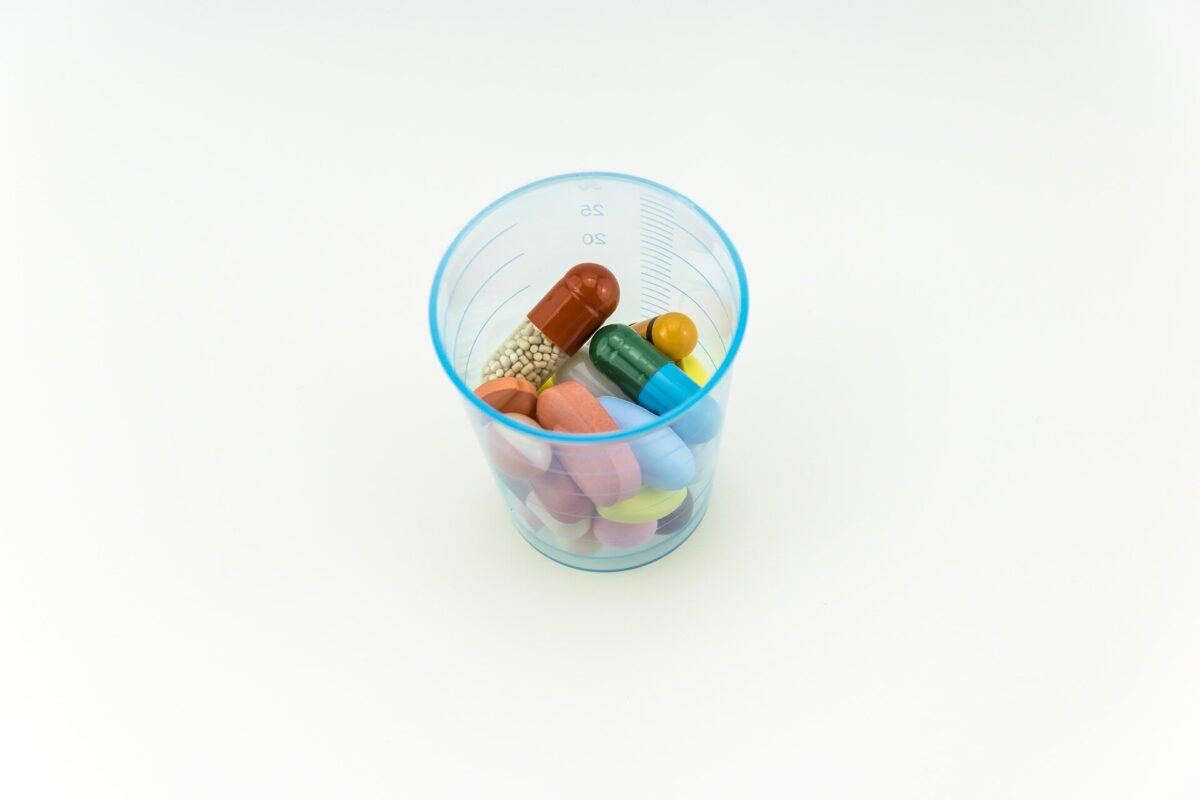
Taking antibiotics without medical guidance
-
Not completing the prescribed course
-
Using antibiotics for viral infections, such as colds or flu
-
Self-medicating or sharing leftover antibiotics
Each instance of misuse gives bacteria an opportunity to adapt, survive, and potentially spread resistance.
Why Responsible Use Matters
Responsible use of antibiotics is critical for ensuring that these medicines remain effective for everyone. Key practices include:
-
Following guidance from qualified healthcare professionals
-
Completing the full course of treatment as prescribed
-
Avoiding unnecessary use of antibiotics
-
Seeking professional advice before starting any treatment
These practices not only protect individual health but also help slow the global spread of resistant bacteria.
The Role of Healthcare Providers and Pharmaceutical Stewardship
Healthcare providers, pharmaceutical organizations, and patients all play essential roles in combating antibiotic resistance:
-
Healthcare providers ensure antibiotics are prescribed appropriately and monitor outcomes.
-
Pharmaceutical organizations maintain strict quality standards, support research, and contribute to public awareness campaigns on responsible antibiotic use.
-
Patients adhere to medical guidance, complete treatments, and avoid self-medication.
By working together, the effectiveness of antibiotics can be preserved for current and future generations.
Supporting Responsible Antibiotic Use
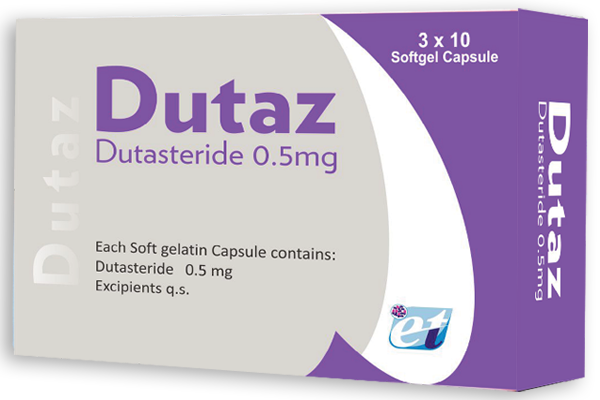
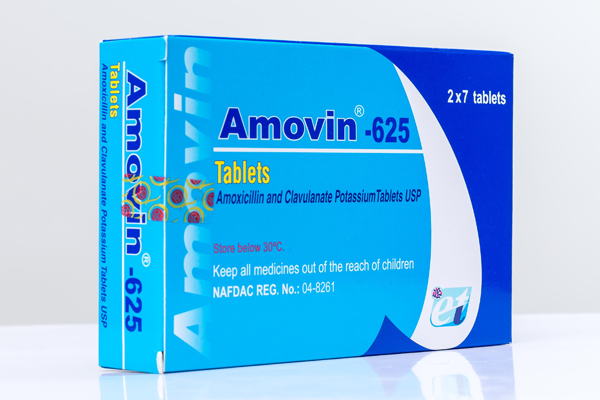
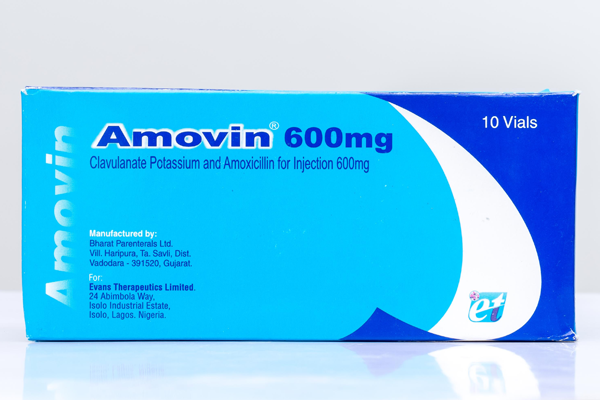
Evans Therapeutics maintains a portfolio of regulated antibacterial therapies designed to support safe and effective treatment under the supervision of qualified healthcare professionals. While these products are available for clinical use, they are intended strictly for professional guidance, helping healthcare providers manage infections responsibly and in accordance with quality and regulatory standards. By focusing on responsible stewardship and education, Evans Therapeutic contributes to preserving the effectiveness of antibiotics and promoting public health outcomes.
Conclusion
Antibiotic resistance is a serious and growing threat, but it is manageable through education, awareness, and responsible action. Adhering to prescribed treatments, seeking professional guidance, and understanding the importance of antibiotics can prevent resistance and protect public health.
At Evans Therapeutic, promoting ethical pharmaceutical practices and supporting informed healthcare decisions reflects a commitment to safety, quality, and long-term effectiveness.