Antibiotics have transformed modern medicine by helping to treat bacterial infections that were once life-threatening. However, the growing problem of antibiotic resistance is making some infections harder to treat. Healthcare professionals play a key role in educating patients about responsible antibiotic use.
This article provides a clear and practical guide that clinicians can share with patients to help them understand antibiotic resistance prevention and why completing prescribed medication courses is essential.
What Is Antibiotic Resistance?
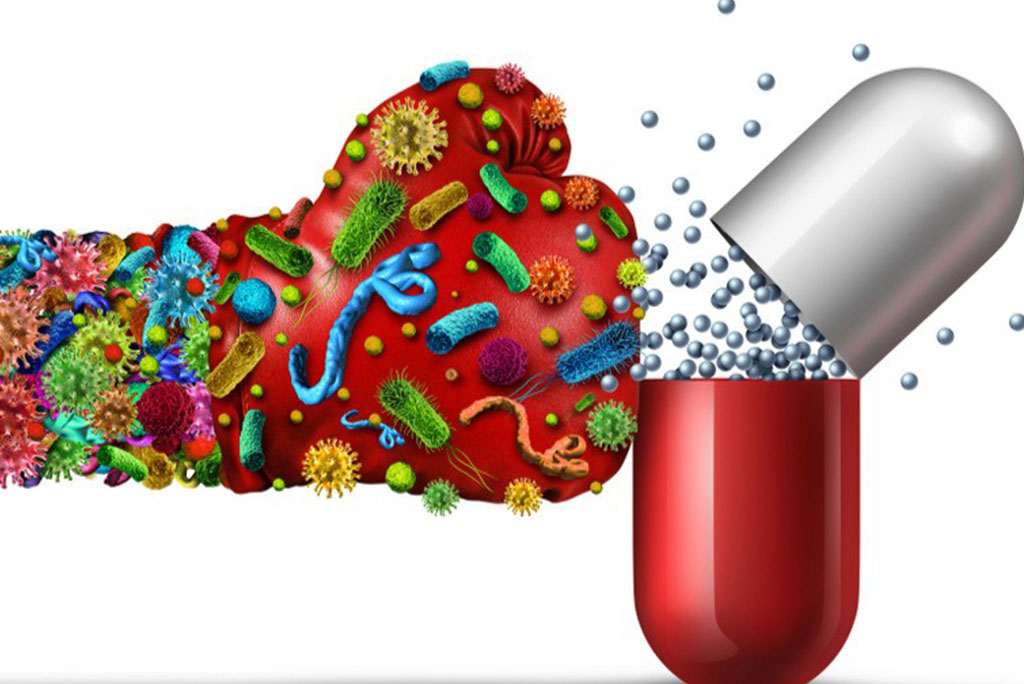
Antibiotic resistance occurs when bacteria change in ways that reduce or eliminate the effectiveness of antibiotics designed to kill them. When this happens, infections become harder to treat and may last longer or require stronger medications.
Resistance does not mean the body becomes resistant to antibiotics. Instead, it means the bacteria themselves adapt and survive despite treatment.
Over time, these resistant bacteria can spread within communities, hospitals, and healthcare settings, making infections more difficult to manage.
Why Antibiotic Resistance Matters
Antibiotic resistance is now considered a major global health concern. When antibiotics stop working effectively, it can lead to:
- Longer illness and recovery time
- Increased risk of complications
- Higher healthcare costs
- Limited treatment options for serious infections
For healthcare professionals, promoting antibiotic resistance prevention through patient education is one of the most effective strategies to slow this trend.
How Misuse of Antibiotics Contributes to Resistance
Antibiotic resistance often develops when antibiotics are used incorrectly or unnecessarily. Common examples include:
Stopping medication too early
Many patients stop taking antibiotics once they feel better. However, some bacteria may still survive and continue to multiply.
Skipping doses
Missing doses can reduce the antibiotic’s ability to eliminate the infection completely.
Using antibiotics without prescription
Taking antibiotics for viral illnesses such as colds or flu does not help and can contribute to resistance.
Sharing medications
Antibiotics are prescribed based on a specific infection and patient condition. Sharing them can lead to improper treatment.
The Importance of Completing Prescribed Antibiotic Courses
One of the most important steps in antibiotic resistance prevention is completing the full course of antibiotics as prescribed by a healthcare provider.
Even if symptoms improve quickly, stopping treatment early can allow some bacteria to survive. These surviving bacteria may develop resistance and cause the infection to return.
Completing the full course helps to:
- Ensure all harmful bacteria are eliminated
- Prevent the infection from coming back
- Reduce the chance of resistant bacteria developing
Healthcare professionals should emphasize to patients that feeling better does not mean the infection is fully cleared.
Simple Guidance Healthcare Professionals Can Share with Patients
To support antibiotic resistance prevention, healthcare providers can encourage patients to follow these simple steps:
1. Take antibiotics exactly as prescribed
Follow the dosage and timing instructions carefully.
2. Finish the entire course
Do not stop taking the medication even if symptoms improve.
3. Do not skip doses
Missing doses may reduce treatment effectiveness.
4. Never share antibiotics
Each prescription is tailored to a specific infection.
5. Do not save leftover medication
Unused antibiotics should not be kept for future illnesses.
Communicating Clearly With Patients
When discussing antibiotics with patients, healthcare professionals should use clear and simple language. Helpful explanations may include:
- Antibiotics treat bacterial infections, not viral illnesses.
- Completing the full course helps prevent resistant bacteria from surviving.
- Responsible antibiotic use protects both the individual and the community.
Providing written information or directing patients to reliable educational resources can reinforce these messages.
The Role of Healthcare Professionals in Antibiotic Resistance Prevention
Healthcare professionals are essential partners in combating antibiotic resistance. By prescribing antibiotics responsibly and educating patients about proper medication use, clinicians can help slow the spread of resistant bacteria.
Patient awareness is a critical component of antibiotic resistance prevention, and clear communication can significantly improve adherence to treatment plans.
Conclusion
Antibiotics remain one of the most powerful tools in treating bacterial infections, but their effectiveness depends on responsible use. Completing prescribed antibiotic courses, avoiding misuse, and following medical advice are key steps in protecting these life-saving medications.
Through patient education and consistent messaging, healthcare professionals can play a vital role in advancing antibiotic resistance prevention and ensuring antibiotics remain effective for future generations.