
Pain and inflammation are common health concerns that can significantly affect daily activities, productivity, and quality of life. While these symptoms often signal the body’s response to injury or illness, managing them safely and effectively is essential to prevent complications and support recovery. Understanding available approaches and the importance of responsible use of treatments can help patients make informed decisions about their care.
Understanding Pain and Inflammation
Pain is the body’s way of signaling that something may be wrong, while inflammation is a natural immune response aimed at protecting and healing damaged tissues. Inflammation may present as swelling, redness, warmth, or stiffness and can be acute or chronic in nature.
Although these responses are often protective, persistent or severe pain and inflammation may indicate underlying conditions that require medical attention.
Common Causes
Pain and inflammation can result from various conditions, including:
-
Musculoskeletal injuries and joint disorders
-
Infections or inflammatory diseases
-
Post-surgical recovery
-
Chronic conditions such as arthritis
-
Nerve-related disorders
Identifying the underlying cause is crucial for selecting appropriate management strategies.
Safe Approaches to Management
Effective management of pain and inflammation often involves a combination of non-pharmacological and medical approaches, depending on severity and cause. These may include:
-
Adequate rest and physical therapy
-
Lifestyle modifications and exercise when appropriate
-
Application of heat or cold therapy
-
Medically recommended treatments prescribed by healthcare professionals
Self-medication without guidance can increase the risk of side effects or mask symptoms of more serious conditions.
The Importance of Professional Guidance
Healthcare professionals play a key role in evaluating pain, identifying its cause, and recommending suitable treatment options. Responsible use of therapies, correct dosing, and adherence to prescribed instructions help minimize risks such as gastrointestinal complications, kidney concerns, or drug interactions.
Patients are encouraged to consult qualified healthcare providers before starting or changing any pain or inflammation management plan.
Supporting Responsible Pain Management
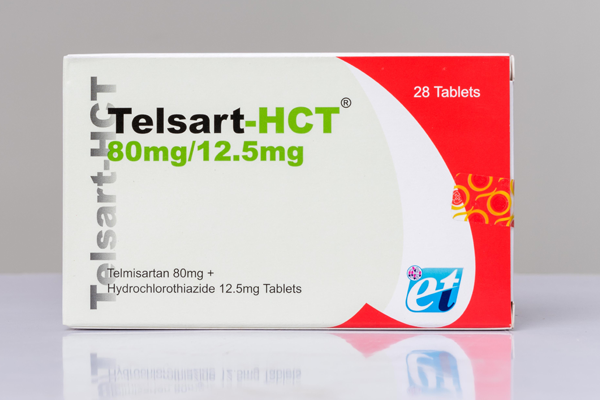
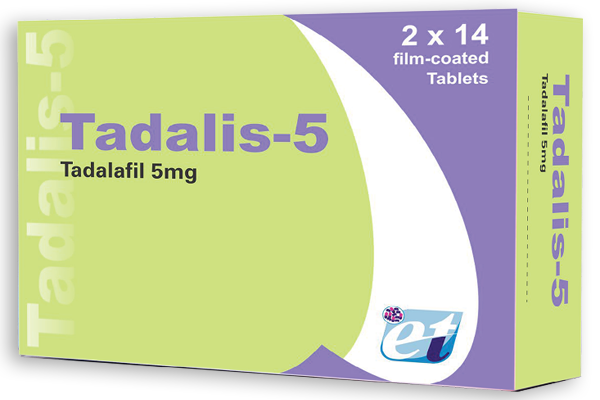
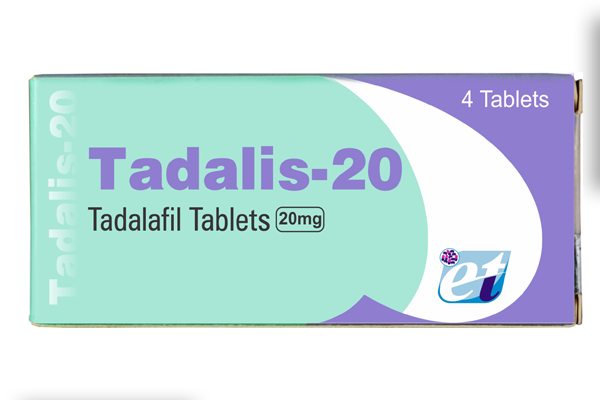
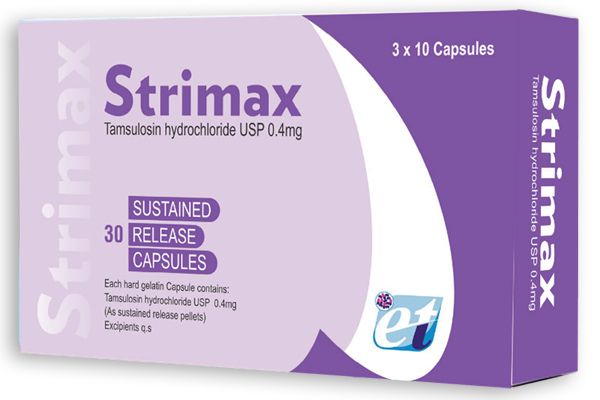
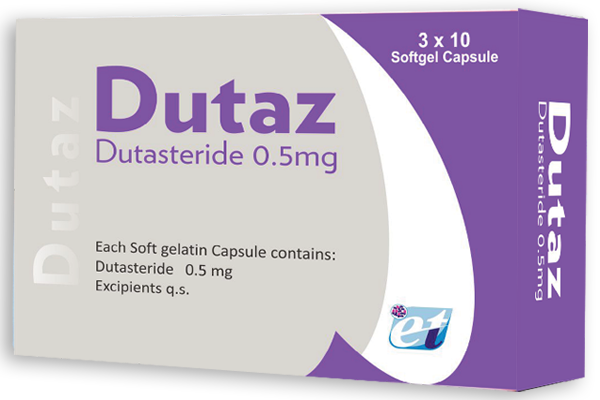
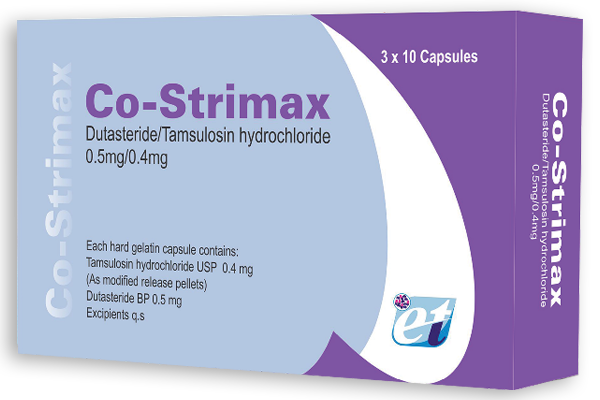
Evans Therapeutic supports the safe management of pain and inflammation through a portfolio of regulated therapies developed in accordance with quality and regulatory standards. These products are intended strictly for use under professional medical supervision and form part of a broader commitment to patient safety, ethical pharmaceutical practice, and evidence-based care.
Empowering Patients Through Education
Educating patients about pain and inflammation helps promote early intervention, responsible treatment use, and better long-term outcomes. Awareness of symptoms, treatment options, and potential risks empowers individuals to participate actively in their healthcare decisions.
Conclusion
Managing pain and inflammation safely requires informed choices, professional guidance, and responsible treatment practices. By understanding the causes, seeking timely medical advice, and adhering to recommended care plans, patients can achieve effective symptom relief while minimizing risks. Through education and ethical pharmaceutical support, Evans Therapeutic contributes to improved patient well-being and responsible healthcare delivery.