
In recent years, the prevalence of lifestyle diseases has surged globally, leading to significant health challenges and increased healthcare costs. Lifestyle diseases, often referred to as non-communicable diseases (NCDs), include conditions like heart disease, diabetes, obesity, and certain types of cancer. These diseases are primarily driven by an individual’s lifestyle choices, including dietary habits, physical activity, and overall health management.
Understanding Lifestyle Diseases
Lifestyle diseases are typically the result of a combination of genetic, environmental, and behavioral factors. Poor nutrition, lack of physical activity, and unhealthy habits such as smoking and excessive alcohol consumption contribute significantly to the onset of these conditions. Unfortunately, many lifestyle diseases can lead to serious health complications, decreased quality of life, and in severe cases, premature death.
Prevention Strategies
- Adopting a Healthy Diet: A well-balanced diet rich in fruits, vegetables, whole grains, lean proteins, and healthy fats can significantly reduce the risk of developing lifestyle diseases. It is important to limit the intake of saturated fats, sugars, and processed foods. Incorporating nutrient-dense foods can help maintain a healthy weight and improve overall well-being.
- Regular Physical Activity: Engaging in regular physical exercise is essential for managing weight and reducing the risk of chronic diseases. The World Health Organization recommends at least 150 minutes of moderate-intensity aerobic activity per week for adults. Activities like walking, cycling, swimming, or even gardening can contribute to maintaining a healthy lifestyle.
- Stress Management: Chronic stress can lead to poor health outcomes, including increased blood pressure and weakened immune response. Techniques such as mindfulness, yoga, meditation, and adequate sleep can effectively manage stress levels.
- Routine Health Check-ups: Regular health screenings and check-ups can help identify risk factors for lifestyle diseases early on, allowing for timely intervention. Blood pressure, cholesterol levels, and glucose levels should be monitored as part of routine care.
- Avoiding Tobacco and Limiting Alcohol Consumption: Smoking and excessive alcohol intake are major risk factors for several lifestyle diseases. Quitting smoking and moderating alcohol consumption can greatly improve health outcomes.
The Role of Pharmaceutical Intervention
While lifestyle changes are crucial in the prevention of lifestyle diseases, pharmaceutical interventions may sometimes be necessary, particularly for individuals at high risk. Medications can help manage risk factors such as high blood pressure or high cholesterol levels, thus reducing the likelihood of disease progression.
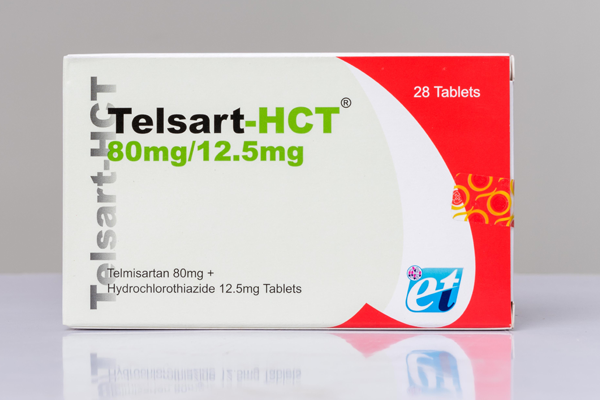
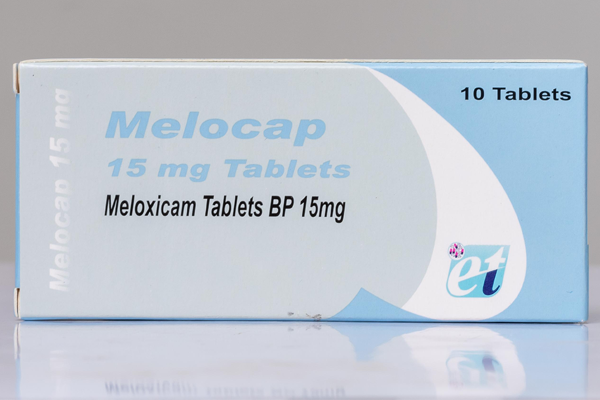
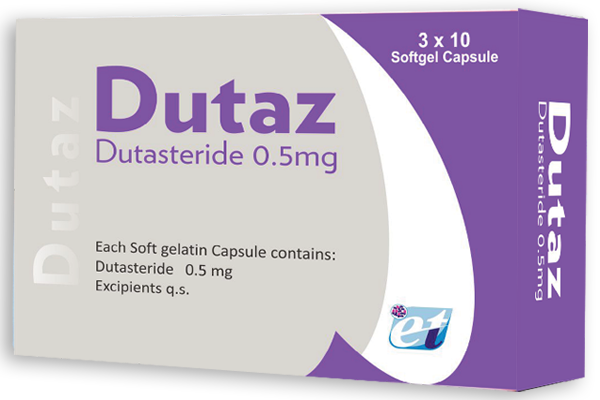
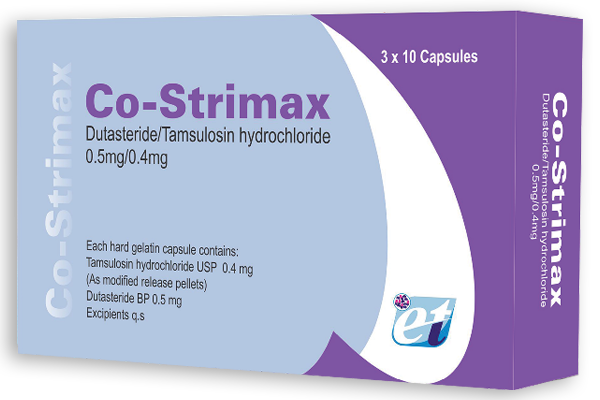
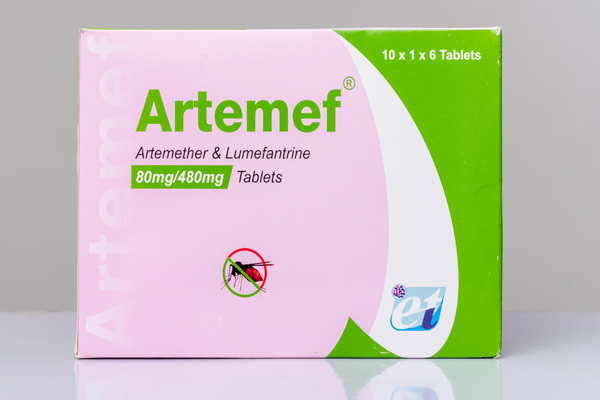
At Evans Pharmaceuticals Ltd, we strive to support individuals in managing their health through high-quality pharmaceutical products. One such product in our portfolio addresses the management of hypertension, helping to regulate blood pressure levels in patients who may be unable to achieve sufficient results through lifestyle changes alone. With our dedication to improving health outcomes, we aim to empower individuals to lead healthier, more fulfilling lives.
It’s important to remember that while medications can aid in management, the best approach to combating lifestyle diseases is a holistic one that incorporates a healthy diet and regular exercise along with appropriate medical care.