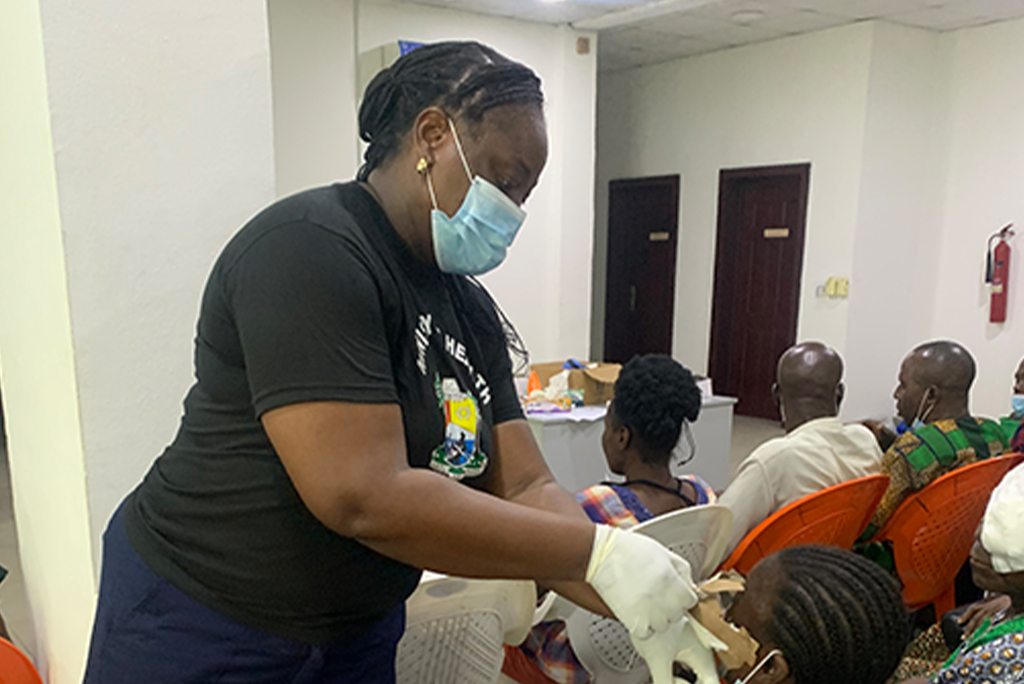
Health screenings are a vital component of preventive healthcare, serving as an essential tool in the early detection and management of various medical conditions, including infections. These proactive measures can help identify health issues before they progress, ensuring timely intervention and better outcomes. In this context, regular health screenings can play a critical role in preventing common infections that affect a broad spectrum of the population.
Understanding Health Screenings
Health screenings are systematic examinations and tests designed to evaluate an individual’s health status, often conducted to detect conditions that may not yet present symptoms. Common types of screenings include blood tests, imaging studies, and physical examinations, which can help assess an individual’s risk factors based on age, gender, family history, and lifestyle choices.
The Role of Screenings in Infection Prevention
- Early Detection: Infections such as sexually transmitted infections (STIs), tuberculosis, and other communicable diseases can often go unnoticed due to their asymptomatic nature at early stages. Regular health screenings can help identify these infections promptly, allowing for effective treatment and reducing the risk of complications.
- Vaccination Assessment: Screenings are also an opportunity to evaluate an individual’s vaccination status. Staying current on vaccinations is crucial for protecting against infections such as influenza, pneumonia, and hepatitis. Healthcare providers can recommend necessary vaccines based on screening results, ensuring adequate protection for patients.
- Chronic Condition Monitoring: Individuals with chronic health conditions, such as diabetes or autoimmune diseases, may be more susceptible to infections. Regular screenings can monitor these conditions and assess overall health, helping to manage the additional risks that come with them.
- Community Health Impact: Regular health screenings contribute to the well-being of the community by enabling healthcare providers to identify and manage potential outbreaks. Early detection leads to swift public health responses that can limit transmission and safeguard community health.
Importance of Specific Screenings
- Blood Tests: Routine blood tests can help detect infections by providing insights into overall health through markers such as white blood cell counts, which indicate immune system activity.
- Tuberculosis Testing: Screening for tuberculosis, especially in high-risk populations, is crucial for early detection and treatment, preventing the spread of this highly contagious infection.
- Sexually Transmitted Infection Screenings: Regular STI testing is vital for sexually active individuals to identify infections early and reduce the risk of transmission to partners.
- Immunization Reviews: During health screenings, healthcare providers can assess immunization records to determine if any booster shots or new vaccinations are needed, helping to further prevent infections.
Conclusion
In conclusion, regular health screenings are crucial for preventing infections and managing long-term health. By integrating proactive health measures and ensuring individuals remain vigilant about their health, people can take significant steps toward maintaining their health and preventing infections effectively.