
Living with a chronic illness can be incredibly challenging, not just physically but also emotionally and mentally. Chronic conditions such as diabetes, heart disease, arthritis, and others often require ongoing management and can significantly impact an individual’s quality of life. It’s not uncommon for individuals with chronic illnesses to experience mental health concerns, including anxiety and depression, due to the persistent nature of their conditions and the lifestyle adjustments they must make.
The Interconnection Between Chronic Illness and Mental Health
The relationship between chronic illness and mental health is complex. Chronic pain, fatigue, and the limitations imposed by a long-term health condition can lead to feelings of frustration and helplessness. Individuals may feel isolated and unsupported as they navigate their health journey, which can exacerbate existing mental health issues or contribute to the emergence of new ones.
Research indicates that individuals with chronic illnesses have a higher risk of experiencing mental health disorders compared to those without such conditions. This increased risk can result from a combination of biological, psychological, and social factors, creating a pervasive cycle where mental health challenges impact overall health and vice versa.
Coping Strategies
- Building a Support System: Establishing a strong network of family, friends, and healthcare providers can provide emotional support and practical assistance. Sharing experiences with others who understand similar challenges can be particularly beneficial, whether through support groups or online communities.
- Practicing Mindfulness and Relaxation Techniques: Mindfulness practices, such as meditation, deep breathing, and yoga, can help individuals manage stress and improve mental well-being. These techniques encourage present-moment awareness and can reduce symptoms of anxiety and depression.
- Engaging in Physical Activity: Regular physical activity has been shown to have a positive effect on mental health. Even moderate exercise, like walking or stretching, can improve mood and alleviate feelings of anxiety and depression.
- Seeking Professional Help: Mental health professionals, such as psychologists or counselors, can provide valuable support through therapy and coping strategies tailored to managing both mental and physical health aspects of chronic illness.
- Education and Self-Management: Educating oneself about the chronic condition can empower patients to take control of their health. Knowledge about treatment options, symptom management, and overall health can enhance confidence and reduce feelings of uncertainty.
The Role of Medication
While lifestyle changes and support systems are vital for managing the mental health aspects of chronic illness, certain situations may necessitate pharmacological intervention. Medications can help alleviate symptoms of depression or anxiety, making it easier for individuals to cope with the challenges of chronic illness.
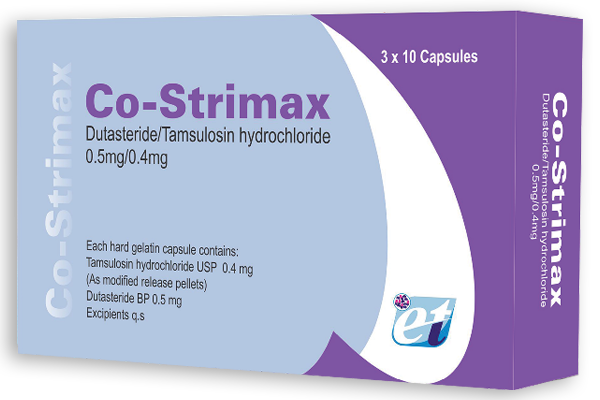
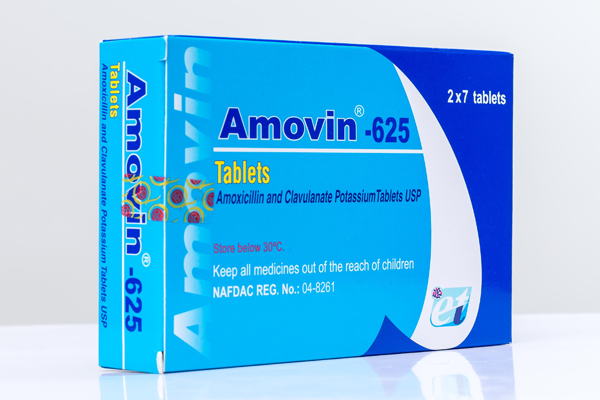
At Evans Pharmaceuticals Ltd, we provide a range of pharmaceutical products specifically designed to support individuals in managing their health effectively. One of our offerings targets the management of anxiety and depressive symptoms often experienced by those with chronic conditions. By addressing these mental health concerns, our goal is to empower individuals to better navigate the complexities of living with chronic illness, enhancing their overall quality of life.
Combining appropriate medications with strong support systems and effective coping strategies can help individuals reclaim their mental well-being while managing chronic conditions, allowing for a more holistic approach to health.