
Hypertension, commonly known as high blood pressure, is one of the most common chronic health conditions worldwide. Many people live with hypertension for years without noticeable symptoms, yet it can significantly increase the risk of heart disease, stroke, kidney disease, and other serious health problems if left unmanaged.
The good news is that managing high blood pressure is possible through a combination of healthy lifestyle habits, regular monitoring, and proper use of antihypertensive medications. This guide explains practical steps that can help patients take control of their blood pressure and protect their long-term cardiovascular health.
What Is Hypertension?
Blood pressure refers to the force of blood pushing against the walls of the arteries as the heart pumps. When this pressure remains consistently higher than normal, it is classified as hypertension.
Blood pressure readings are typically expressed as two numbers:
- Systolic pressure – the pressure when the heart beats and pumps blood
- Diastolic pressure – the pressure when the heart rests between beats
Persistently elevated readings can strain the heart and blood vessels, making managing high blood pressure an essential part of maintaining overall health.
Why Managing High Blood Pressure Is Important
When high blood pressure is not properly controlled, it can damage important organs over time. Potential complications include:
- Heart disease and heart attack
- Stroke
- Kidney damage
- Vision problems
- Reduced circulation
Early lifestyle adjustments and medication adherence are key strategies for managing high blood pressure and preventing these complications.
The Role of Diet in Blood Pressure Control
Healthy eating habits play a major role in controlling hypertension.
Reduce Sodium Intake
Excess salt in the diet can increase blood pressure by causing the body to retain more fluid. Reducing sodium intake helps the heart and blood vessels function more efficiently.
Practical tips include:
- Limiting processed and packaged foods
- Cooking with herbs and spices instead of salt
- Checking nutrition labels for sodium content
Eat Heart-Healthy Foods
A balanced diet that includes nutrient-rich foods can support better blood pressure control.
Recommended foods include:
- Fruits and vegetables
- Whole grains
- Lean protein sources
- Nuts and legumes
- Low-fat dairy products
These foods provide important nutrients such as potassium, fiber, and antioxidants that support managing high blood pressure.
Limit Unhealthy Fats and Sugars
High consumption of saturated fats and added sugars can contribute to weight gain and cardiovascular strain.
Reducing intake of fried foods, sugary drinks, and highly processed snacks can improve heart health and support blood pressure management.
The Importance of Regular Exercise
Physical activity is another powerful tool for managing high blood pressure.
Regular exercise helps by:
- Strengthening the heart
- Improving blood circulation
- Supporting healthy body weight
- Reducing stress levels
Adults are generally encouraged to aim for at least 150 minutes of moderate physical activity per week, such as:
- Brisk walking
- Cycling
- Swimming
- Light jogging
Even small increases in daily activity can contribute to improved blood pressure control.
Understanding Antihypertensive Medications
In many cases, lifestyle changes alone may not be enough to control hypertension. Healthcare providers may prescribe antihypertensive medications to help regulate blood pressure.
These medications work in different ways, including:
- Relaxing blood vessels
- Reducing fluid retention
- Slowing the heart rate
- Decreasing the force of heart contractions
Common categories of antihypertensive medications include:
- Diuretics
- ACE inhibitors
- Calcium channel blockers
- Beta-blockers
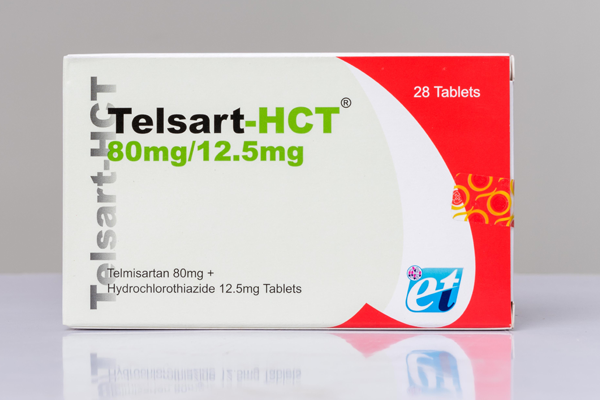
- Angiotensin receptor blockers (ARBs)
The choice of medication depends on a patient’s overall health, medical history, and blood pressure levels.
Medication Adherence: Why It Matters
Taking prescribed medications consistently is essential for managing high blood pressure effectively.
Patients should:
- Take medication exactly as directed
- Avoid skipping doses
- Refill prescriptions before they run out
- Inform their healthcare provider about side effects
Stopping medication suddenly without medical advice may lead to dangerous increases in blood pressure.
Monitoring Blood Pressure at Home
Home monitoring can help patients stay informed about their blood pressure levels and track how well treatments are working.
Benefits of home monitoring include:
- Early detection of changes in blood pressure
- Improved communication with healthcare providers
- Encouragement to maintain healthy habits
Patients should record readings regularly and share them during medical visits.
Additional Lifestyle Tips for Managing High Blood Pressure
Beyond diet and exercise, other daily habits can help support long-term blood pressure control.
Helpful strategies include:
- Maintaining a healthy weight
- Reducing alcohol consumption
- Avoiding tobacco use
- Managing stress through relaxation techniques
- Getting adequate sleep
These simple changes can significantly improve outcomes for individuals managing high blood pressure.
When to Seek Medical Advice
Patients should consult their healthcare provider if they experience:
- Persistently high blood pressure readings
- Side effects from medication
- Symptoms such as severe headaches, chest pain, or shortness of breath
Regular medical follow-up ensures that treatment plans remain effective and safe.
Conclusion
Living with hypertension requires consistent attention to lifestyle choices and medication use. By adopting healthy eating habits, staying physically active, and following prescribed treatment plans, patients can successfully control their blood pressure.
With the right combination of lifestyle changes and medical support, managing high blood pressure becomes a practical and achievable part of everyday life, helping protect heart health and improve long-term well-being.