World Antimicrobial Awareness Week 2025
Antibiotics have transformed modern medicine, saving millions of lives from infections that were once fatal. However, the growing threat of antimicrobial resistance (AMR) is putting these life-saving medicines at risk. Each year, the global health community marks World Antimicrobial Awareness Week to raise awareness about the responsible use of antibiotics and the urgent need to combat resistance.
Among the important medicines helping clinicians manage resistant infections is amoxycillin–clavulanate, a trusted combination antibiotic widely used in hospitals and community healthcare settings.
The Rising Challenge of Antibiotic Resistance
Antibiotic resistance occurs when bacteria develop the ability to survive exposure to medicines designed to kill them. This phenomenon is accelerated by factors such as:
- Inappropriate antibiotic prescribing
- Patients not completing prescribed treatment courses
- Self-medication and over-the-counter misuse
- Poor infection prevention and control practices
According to the World Health Organization, antimicrobial resistance is now one of the top global public health threats. If left unchecked, it could significantly undermine the effectiveness of treatments for common infections and many routine medical procedures.
This reality makes antibiotic stewardship—the responsible use of antibiotics—more important than ever.
Why Amoxycillin–Clavulanate Matters
Amoxycillin–clavulanate is a beta-lactam/beta-lactamase inhibitor combination antibiotic designed to overcome certain bacterial resistance mechanisms.
It contains two active components:
Amoxycillin
A broad-spectrum penicillin antibiotic that works by disrupting bacterial cell wall synthesis, leading to bacterial death.
Clavulanic Acid
A beta-lactamase inhibitor that neutralizes enzymes produced by resistant bacteria which would otherwise inactivate amoxycillin.
By blocking these resistance enzymes, clavulanate protects amoxycillin and restores its antibacterial activity against organisms that might otherwise be resistant.
This combination significantly expands the antibiotic’s effectiveness against a variety of bacterial pathogens.
Clinical Applications
Amoxycillin–clavulanate is widely used in the treatment of several bacterial infections, including:
- Respiratory tract infections (such as pneumonia and bronchitis)
- Ear, nose, and throat infections
- Skin and soft tissue infections
- Urinary tract infections
- Dental infections
- Certain hospital-acquired infections
Its versatility and improved resistance profile make it a valuable option in both hospital and outpatient settings.
Supporting Responsible Antibiotic Use
While amoxycillin–clavulanate remains an effective treatment option, responsible prescribing and patient adherence are essential to preserving its effectiveness.
Healthcare professionals are encouraged to:
- Prescribe antibiotics only when clinically indicated
- Choose the appropriate dose and duration
- Encourage patients to complete the full treatment course
- Educate patients about the dangers of self-medication
Responsible antibiotic use helps slow the emergence of resistance and ensures that effective treatments remain available for future patients.
Quality Medicines for Better Outcomes
Reliable access to quality antibiotics is an essential part of strengthening healthcare systems and improving patient outcomes.
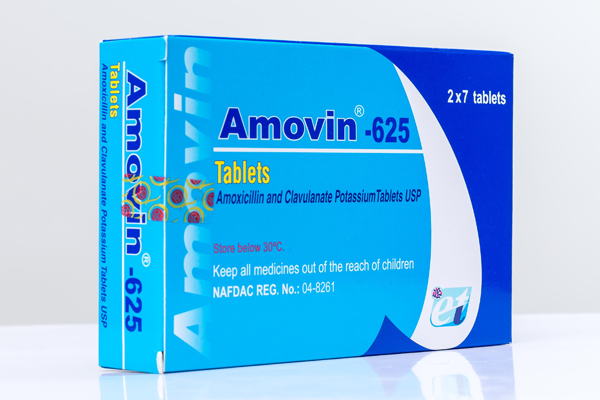
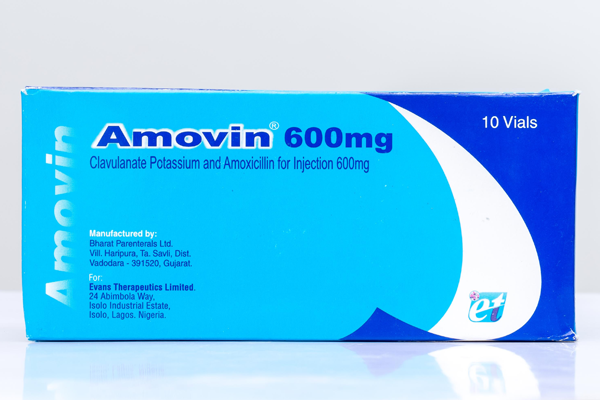
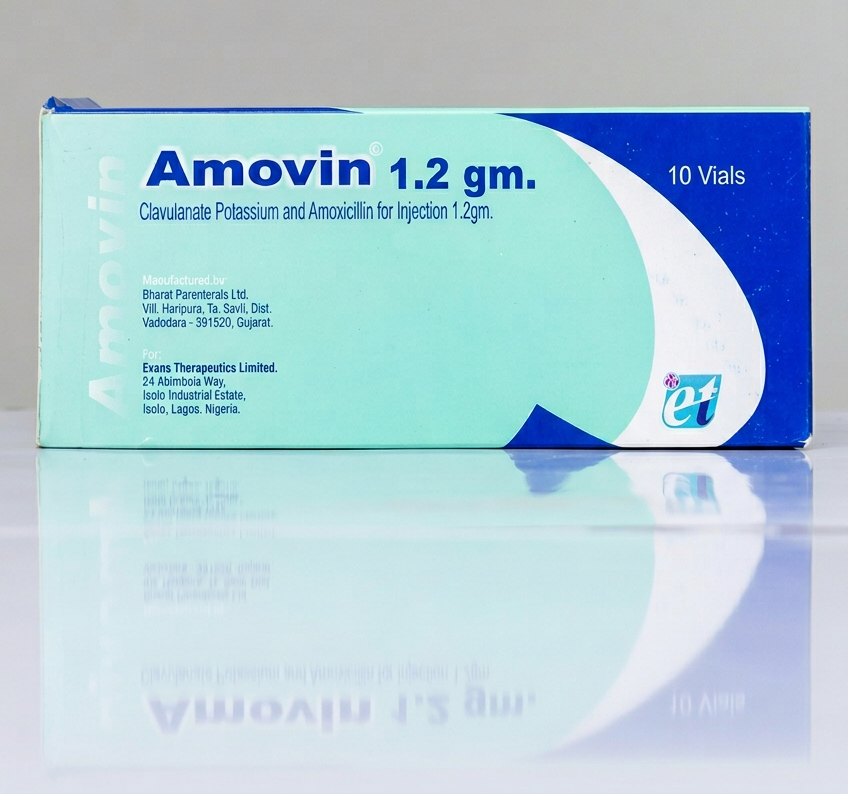
Evans Therapeutics Ltd supports healthcare providers with Amovin, its range of amoxycillin–clavulanate formulations designed to meet the needs of clinicians and patients across various care settings.
Amovin Product Range
| S/N | Product Name | Product Details | Pack Size |
| 1 | Amovin 1.2 g Injection | Amoxycillin–Clavulanate Injection | 1 × 10 vials |
| 2 | Amovin 600 mg Injection | Amoxycillin–Clavulanate Injection | 1 × 10 vials |
| 3 | Amovin Suspension | Amoxycillin–Clavulanate 228 mg/5 ml | 100 ml bottle |
| 4 | Amovin 625 mg Tablets | Amoxycillin–Clavulanate Tablets | Standard pack |
This range supports treatment across pediatric, outpatient, and hospital care settings, providing clinicians with flexible therapeutic options.
Working Together Against Antibiotic Resistance
Addressing antimicrobial resistance requires collective action from multiple stakeholders:
- Healthcare professionals must practice responsible prescribing
- Patients must follow treatment instructions carefully
- Healthcare institutions must strengthen infection control measures
- Pharmaceutical companies must maintain high standards of quality and supply
- Policymakers must support antimicrobial stewardship programs
Organizations such as the World Health Organization continue to emphasize coordinated global action to preserve the effectiveness of antibiotics.
A Commitment to Responsible Healthcare
As the world observes World Antimicrobial Awareness Week, Evans Therapeutics Ltd reaffirms its commitment to supporting healthcare professionals with quality pharmaceutical solutions while promoting responsible antibiotic use.
Protecting antibiotics today ensures they remain effective tools for saving lives tomorrow.
References