Bacterial infections are among the most common reasons people seek medical care, yet many mild illnesses are caused by viruses and do not require antibiotics. Understanding the difference between bacterial and viral infections and recognizing early warning signs can help patients make informed decisions, avoid unnecessary clinic visits, and ensure timely, appropriate treatment when needed.
What Are Bacterial Infections?
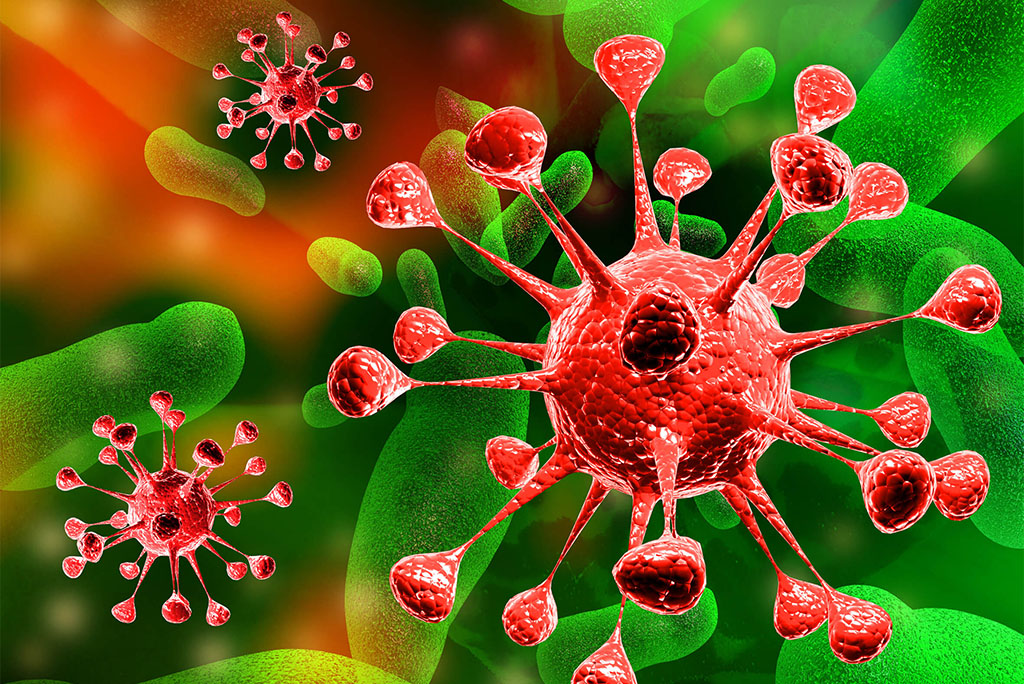
Bacterial infections occur when harmful bacteria enter the body, multiply, and trigger an immune response. Common examples include:
- Urinary tract infections (UTIs)
- Bacterial pneumonia
- Strep throat
- Skin infections (e.g., boils, cellulitis)
- Sinus and ear infections (in some cases)
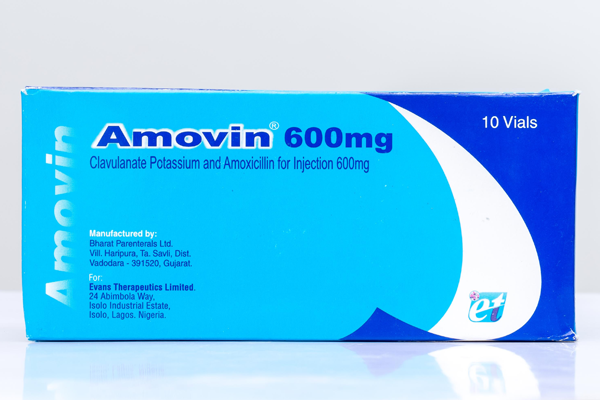
These infections often respond well to anti-infective medications, particularly antibiotics, when used correctly.
Key Signs of a Bacterial Infection
While symptoms can overlap with viral illnesses, certain features are more suggestive of a bacterial cause:
- Persistent high fever (often above 38.5°C) lasting more than 3 days
- Localized pain (e.g., throat, ear, chest, or during urination)
- Thick, colored discharge (yellow or green mucus, pus)
- Swelling, redness, or warmth in a specific area
- Symptoms that worsen over time rather than improve
- Painful urination or frequent urge to urinate (common in UTIs)
How Viral Infections Differ
Viral infections such as the common cold, influenza, and many sore throats typically:
- Improve within 3–7 days without antibiotics
- Cause milder, widespread symptoms like fatigue, runny nose, or dry cough
- Produce clear or watery mucus
- Respond to rest, hydration, and over-the-counter remedies, not antibiotics
Recognizing these differences is crucial. Taking antibiotics for viral infections offers no benefit and may contribute to antibiotic resistance.
When Should You Seek Medical Attention?
While many infections resolve on their own, consult a healthcare provider if you experience:
- Symptoms lasting longer than a week without improvement
- Severe pain or difficulty breathing
- Recurrent infections
- High fever in children, elderly individuals, or those with chronic illness
- Signs of dehydration or weakness
The Role of Anti-Infectives
Anti-infective medications are designed to target infectious organisms:
- Antibiotics – Used for bacterial infections
- Antifungals – For fungal infections
- Antivirals – For specific viral illnesses
For bacterial infections, antibiotics work by either killing bacteria or stopping their growth. However, they must be used responsibly:
- Always complete the prescribed course
- Do not share or reuse antibiotics
- Avoid self-medication without professional guidance
Common Conditions and Early Treatment Tips
1. Urinary Tract Infections (UTIs):
- Early signs: burning during urination, urgency, cloudy urine
- Action: increase fluid intake and seek prompt treatment to prevent complications
2. Bacterial Skin Infections:
- Early signs: redness, swelling, pain, pus formation
- Action: keep the area clean and seek care if spreading occurs
3. Bacterial Throat Infections (e.g., Strep):
- Early signs: severe sore throat, difficulty swallowing, fever without cough
- Action: testing may be required before antibiotics are prescribed
Why Early Recognition Matters
Early detection and appropriate treatment can:
- Shorten illness duration
- Prevent complications
- Reduce the spread of infection
- Minimize unnecessary use of antibiotics
At the same time, recognizing when an illness is likely viral helps avoid unnecessary clinic visits and medication use.
Promoting Responsible Treatment
Patients play a key role in combating antibiotic resistance. Simple steps include:
- Practicing good hygiene (handwashing, food safety)
- Staying up to date with vaccinations
- Seeking professional advice before using anti-infectives
- Following prescriptions exactly as directed
Conclusion
Understanding the signs of bacterial infections—and how they differ from viral illnesses—empowers patients to act appropriately. Not every infection requires antibiotics, but when bacterial infections are identified early, anti-infective treatments can be highly effective. Balanced awareness leads to better health outcomes, fewer unnecessary treatments, and a stronger defense against antimicrobial resistance.
For more guidance on infection management and safe medication use, stay connected with Evans Therapeutics.