
Asthma is a chronic respiratory condition that affects millions of people worldwide. While it cannot always be cured, it can be effectively managed with the right treatment plan and lifestyle adjustments. One of the most helpful tools for controlling symptoms and preventing attacks is a well-structured asthma action plan.
Continue reading “Creating an Effective Asthma Action Plan for Daily LifeSafe”Category: Health Tips
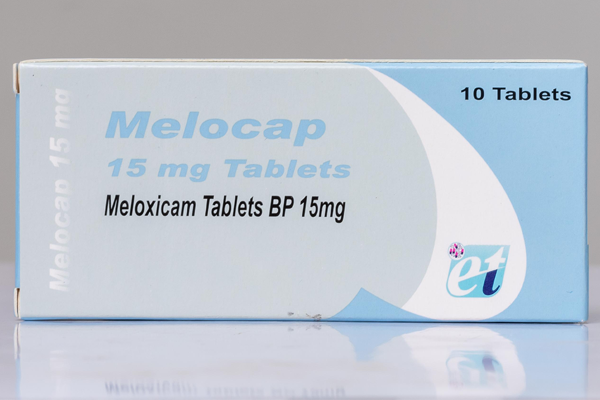
Safe Strategies for Managing Chronic and Acute Pain

Pain is one of the most common reasons people seek medical care. It can range from short-term discomfort caused by injury or illness to long-term conditions that affect daily life. Understanding how to manage pain safely is essential for protecting overall health and avoiding complications.
Continue reading “Safe Strategies for Managing Chronic and Acute Pain”Navigating Prostate Health and Common Urological Conditions: A Guide for Aging Men

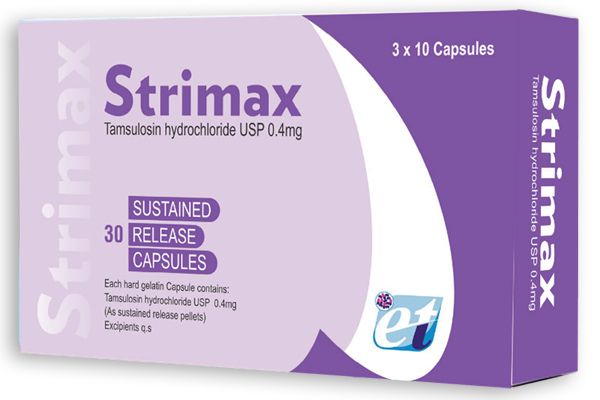
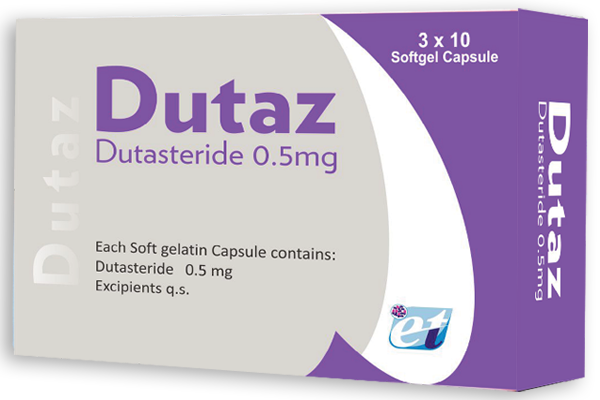
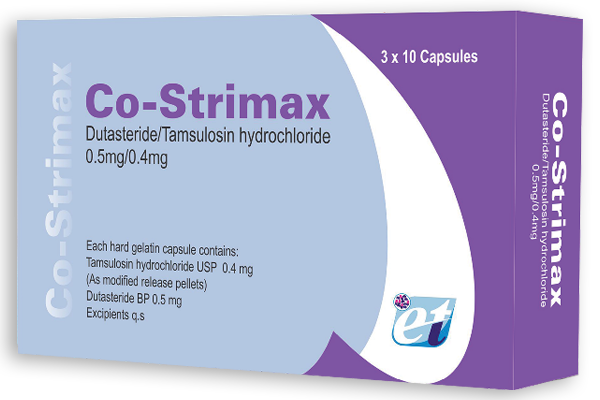
As men grow older, maintaining good prostate health becomes increasingly important. The prostate is a small gland that plays a key role in the male reproductive system, yet many men know very little about it until problems begin to appear.
Continue reading “Navigating Prostate Health and Common Urological Conditions: A Guide for Aging Men”Understanding Antibiotic Resistance and Proper Medication Use: A Guide for Patients
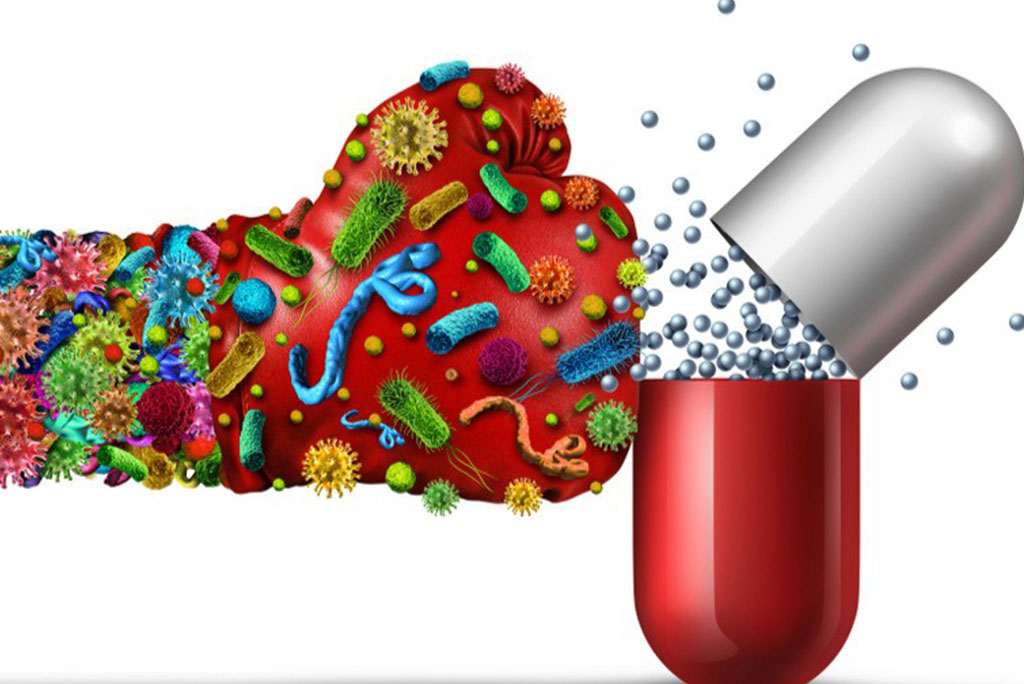
Antibiotics have transformed modern medicine by helping to treat bacterial infections that were once life-threatening. However, the growing problem of antibiotic resistance is making some infections harder to treat. Healthcare professionals play a key role in educating patients about responsible antibiotic use.
Continue reading “Understanding Antibiotic Resistance and Proper Medication Use: A Guide for Patients”The Importance of Regular Health Screenings: Preventing Common Infections
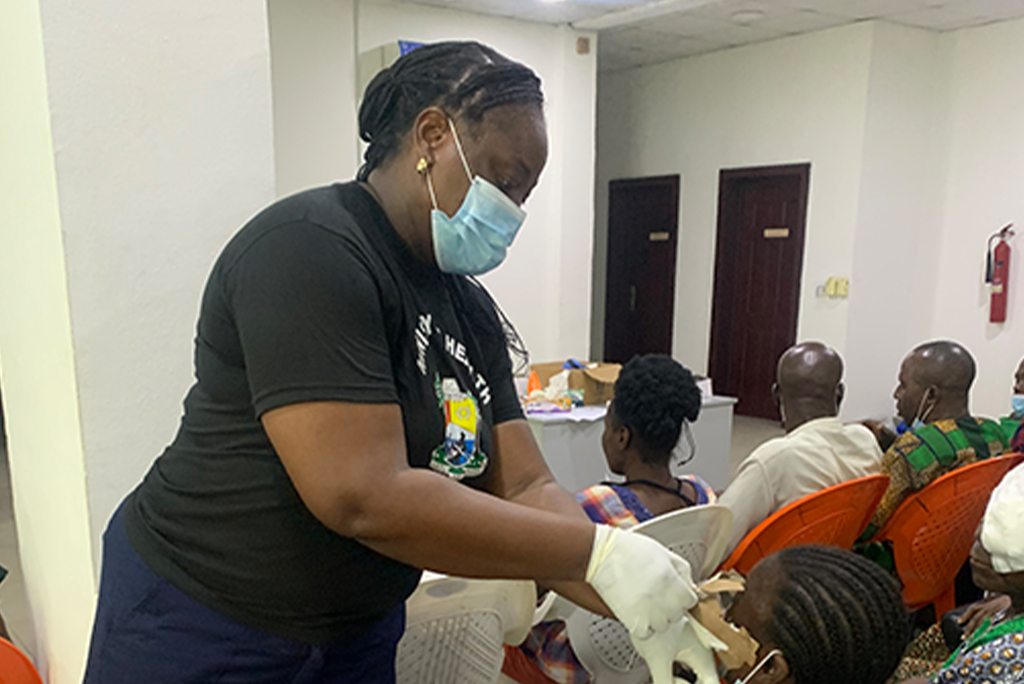
Health screenings are a vital component of preventive healthcare, serving as an essential tool in the early detection and management of various medical conditions, including infections. These proactive measures can help identify health issues before they progress, ensuring timely intervention and better outcomes. In this context, regular health screenings can play a critical role in preventing common infections that affect a broad spectrum of the population.
Continue reading “The Importance of Regular Health Screenings: Preventing Common Infections”Mental Health and Chronic Illness: Coping Strategies and Support Systems

Living with a chronic illness can be incredibly challenging, not just physically but also emotionally and mentally. Chronic conditions such as diabetes, heart disease, arthritis, and others often require ongoing management and can significantly impact an individual’s quality of life. It’s not uncommon for individuals with chronic illnesses to experience mental health concerns, including anxiety and depression, due to the persistent nature of their conditions and the lifestyle adjustments they must make.
Continue reading “Mental Health and Chronic Illness: Coping Strategies and Support Systems”The Rise of Lifestyle Diseases: Prevention Through Diet and Exercise

In recent years, the prevalence of lifestyle diseases has surged globally, leading to significant health challenges and increased healthcare costs. Lifestyle diseases, often referred to as non-communicable diseases (NCDs), include conditions like heart disease, diabetes, obesity, and certain types of cancer. These diseases are primarily driven by an individual’s lifestyle choices, including dietary habits, physical activity, and overall health management.
Continue reading “The Rise of Lifestyle Diseases: Prevention Through Diet and Exercise”Lifestyle and Medications: A Dual Approach to Managing HBP
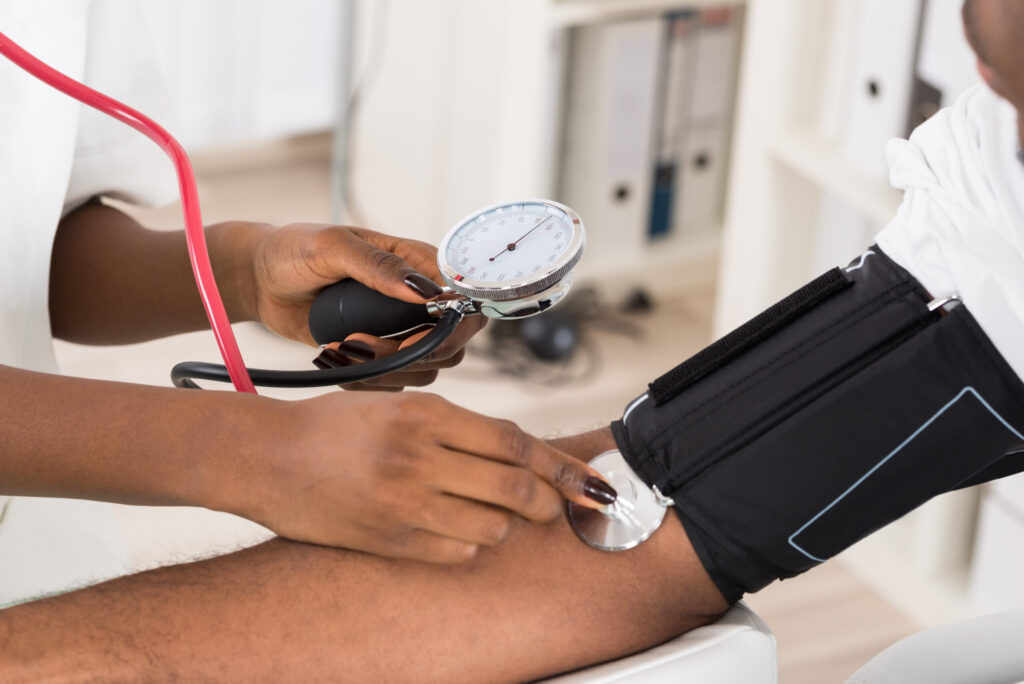
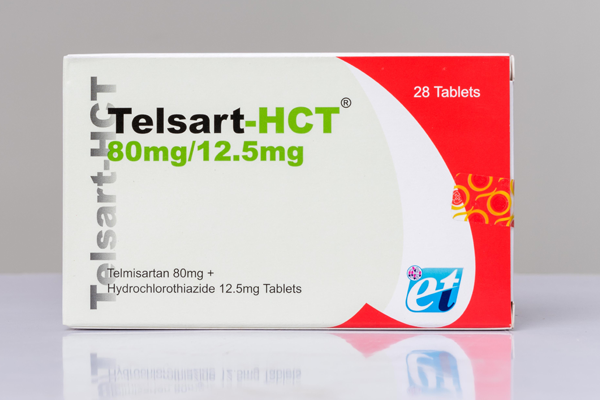
High blood pressure, also known as hypertension, is one of the most common chronic health conditions worldwide and a major risk factor for heart disease, stroke, and kidney complications. While it often develops silently, effective management requires a combination of healthy lifestyle choices and appropriate medical care. Adopting a dual approach can significantly improve long-term health outcomes.
Continue reading “Lifestyle and Medications: A Dual Approach to Managing HBP”Erectile Dysfunction: Medical Causes and Treatment Options

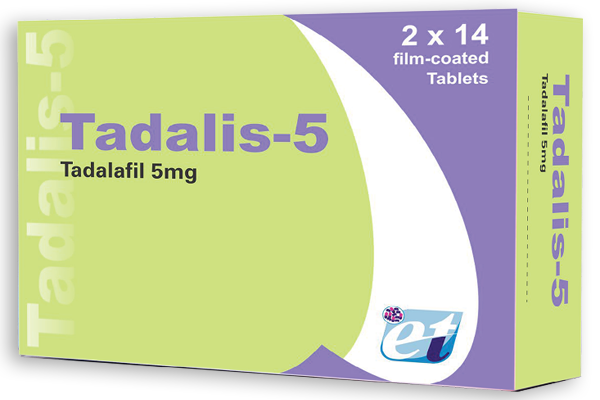
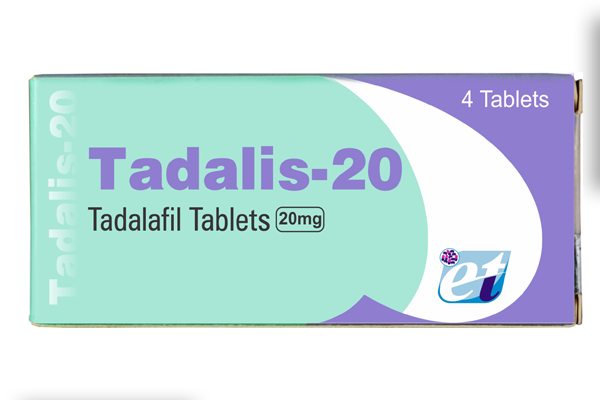
Erectile dysfunction (ED) is a common medical condition that affects men of different ages and backgrounds. It is characterized by the persistent difficulty in achieving or maintaining an erection sufficient for satisfactory sexual performance. While occasional difficulties may occur, ongoing erectile dysfunction often signals an underlying health issue that requires medical attention.
Continue reading “Erectile Dysfunction: Medical Causes and Treatment Options”
Preventing Malaria Complications Through Early Diagnosis and Treatment

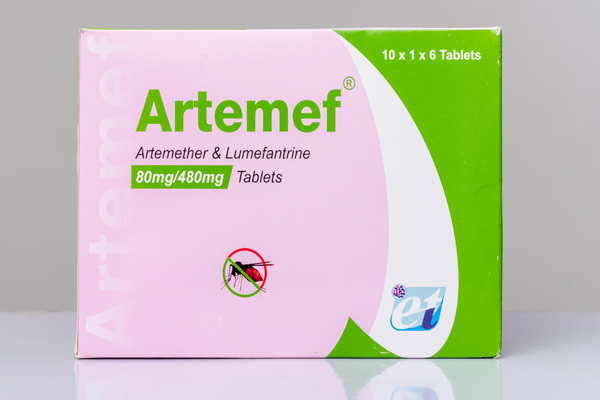
Malaria remains a major public health concern, particularly in endemic regions. Although the disease is preventable and treatable, delayed diagnosis or inappropriate management can result in severe complications and increased mortality. Early diagnosis and timely, appropriate treatment remain essential to reducing the impact of malaria and improving patient outcomes.
Continue reading “Preventing Malaria Complications Through Early Diagnosis and Treatment”